
Power Module
Design & customization
Develop a clear power specification for your RF and digital hardware. Work with MTT Innovations to review supply rails, sequencing, protection and mechanical integration for a custom power-module requirement.
Power the architecture.
Support every rail.
RF and processing boards can require several supply rails with different noise, sequencing and load requirements. Discuss the full operating profile, from start-up through steady-state use, before defining the power architecture.
A starting point.
Your application comes next.
Explore the published reference hardware below, then discuss the changes your system needs.
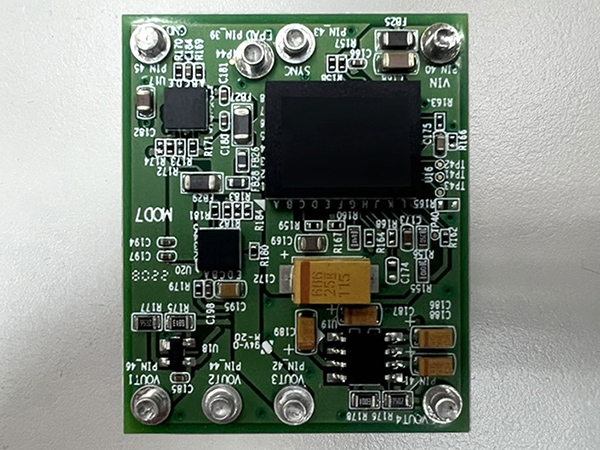
Positive / negative multi-rail module
A power-module reference incorporating multiple positive and negative supply outputs.
- Multiple output rails
- Positive and negative supplies
- Electrical ratings to be defined
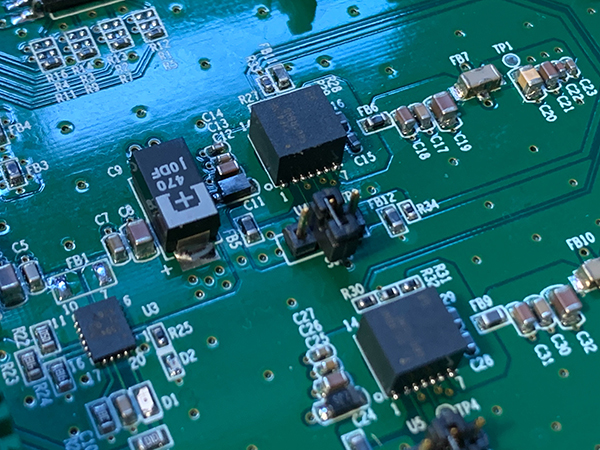
Power module board
A board-level reference described for a high input voltage and intelligent automatic-fuse protection.
- High-input-voltage design reference
- Automatic-fuse protection concept
- Input limits and trip behavior to be confirmed
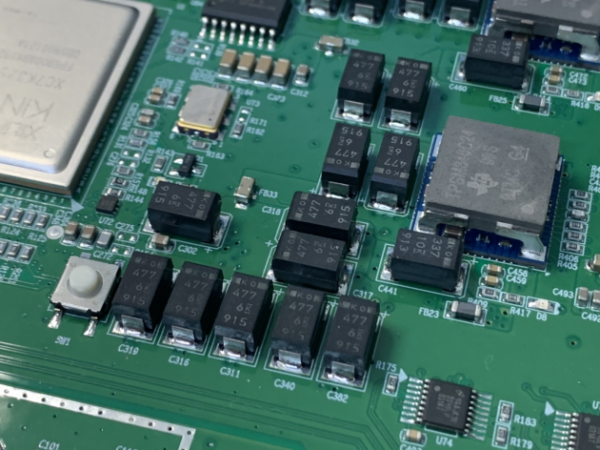
LO subsystem power board
A supply-board reference intended for a local-oscillator signal-generator application.
- LO signal-generator power reference
- Rail and noise requirements to be defined
Specifications shown describe the individual reference designs, not every custom configuration. Final performance, interfaces and deliverables are agreed after technical review.
Define what your system needs.
Rail planning
Specify input voltage, positive and negative outputs, output current and load combinations.
Noise & sequencing
Discuss ripple, transient response, start-up order and any sensitive RF or clock loads.
Protection strategy
Review over-current, fault recovery and protection requirements appropriate to the system.
Thermal & mechanical fit
Define efficiency targets, cooling, board size, mounting and cable or connector interfaces.
Tell us what
success looks like.
Share the details you have, along with your target schedule and expected volume. We can use them to structure a technical discussion and identify the points that need further review.
Opens your email app with a ready-to-complete brief.
- 01Input-voltage range and available source power
- 02Each output voltage, polarity and current
- 03Ripple, noise and transient-response targets
- 04Sequencing, enable and fault-handling requirements
- 05Ambient conditions, cooling and mechanical envelope
From requirement to an agreed scope.
Share the application
Outline your signal chain, performance goals and integration constraints.
Assess the options
Review reference architectures and the feasibility of requested changes.
Set the project scope
Confirm specifications, engineering deliverables, commercial terms and schedule.
Plan the evaluation
Agree any prototype, test and acceptance activities required for the project.
What are the voltage and current ratings?
The linked references do not publish complete voltage or current ratings. Submit a rail-by-rail requirement; the proposed limits must be confirmed through technical review.
Can positive and negative rails be combined?
A multi-output reference includes positive and negative supplies. The rail count, output levels, currents and sequencing for your design need to be defined and confirmed.
What information is needed for a quotation?
Send the technical brief, expected quantity, required deliverables and target schedule. Pricing and lead time depend on the agreed design, customization and evaluation scope.
Your requirement.
Our next conversation.
Connect with MTT Innovations to discuss power module design, customization and integration.