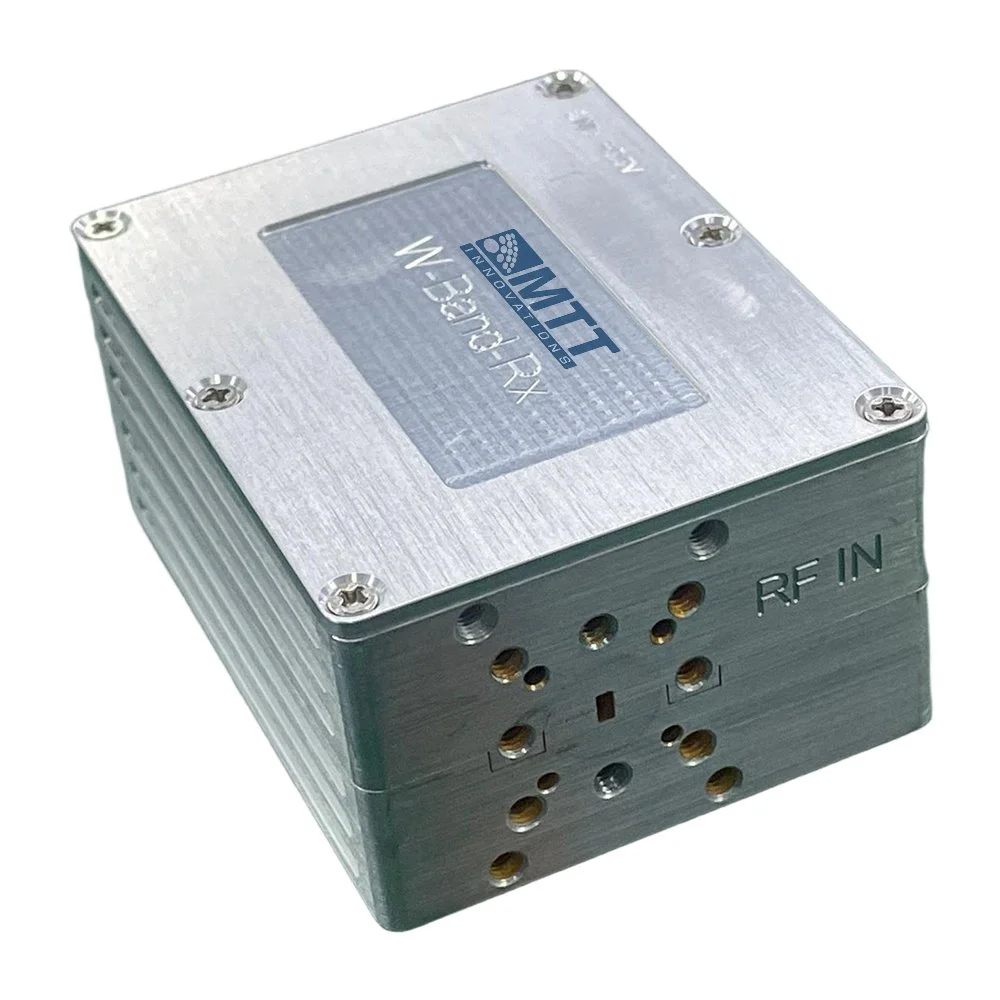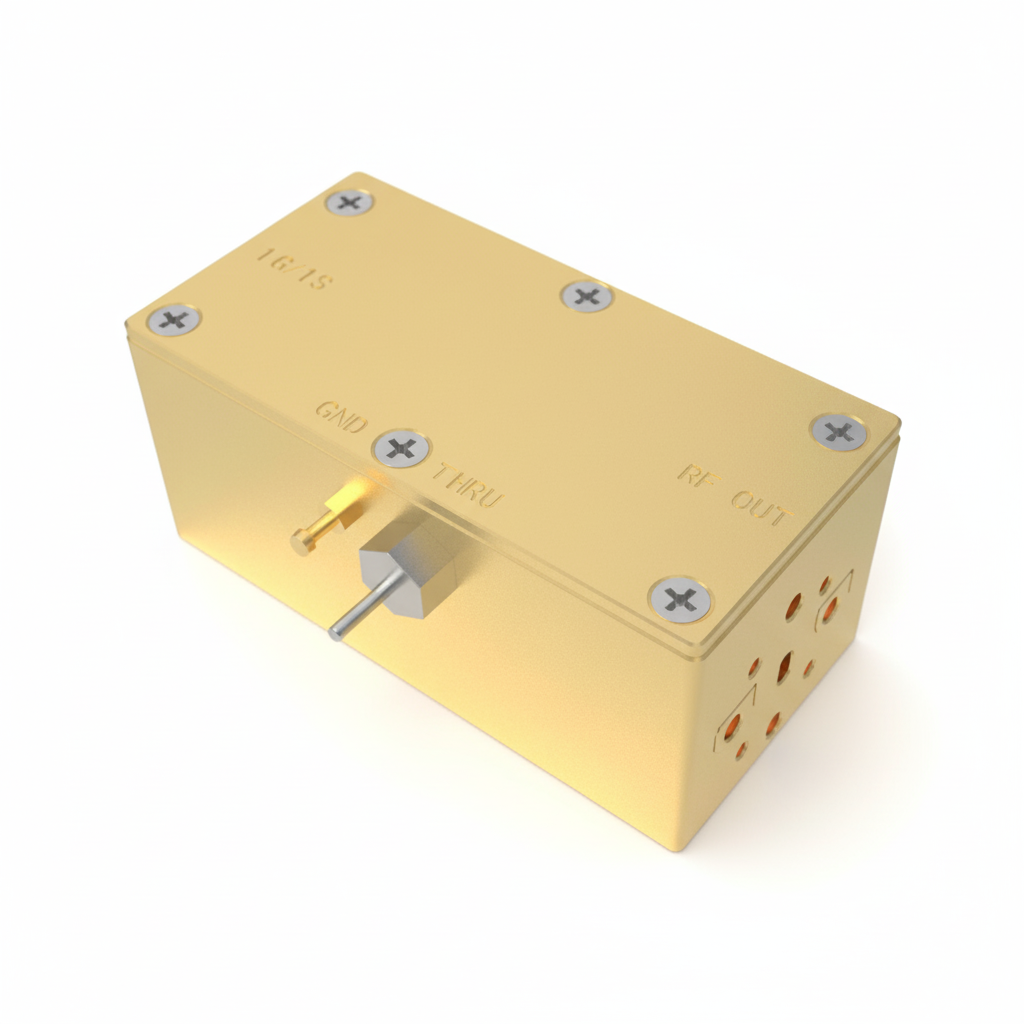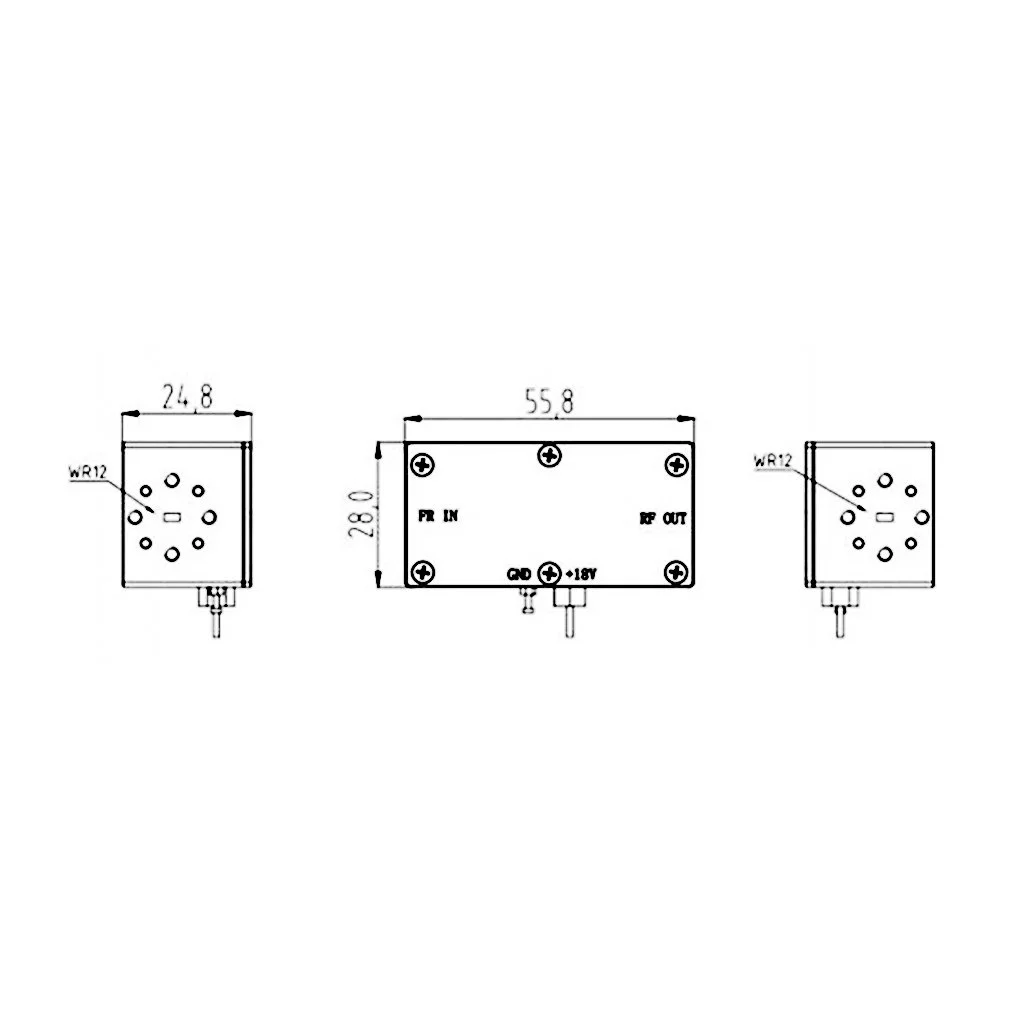
W-Band Rx Component (92~94GHz)

₹0.00

W-Band Rx Component (92–94 GHz)

Product Features :

  • Operating Frequency Band : 92~94GHz

  • Noise Figure ≤5dB

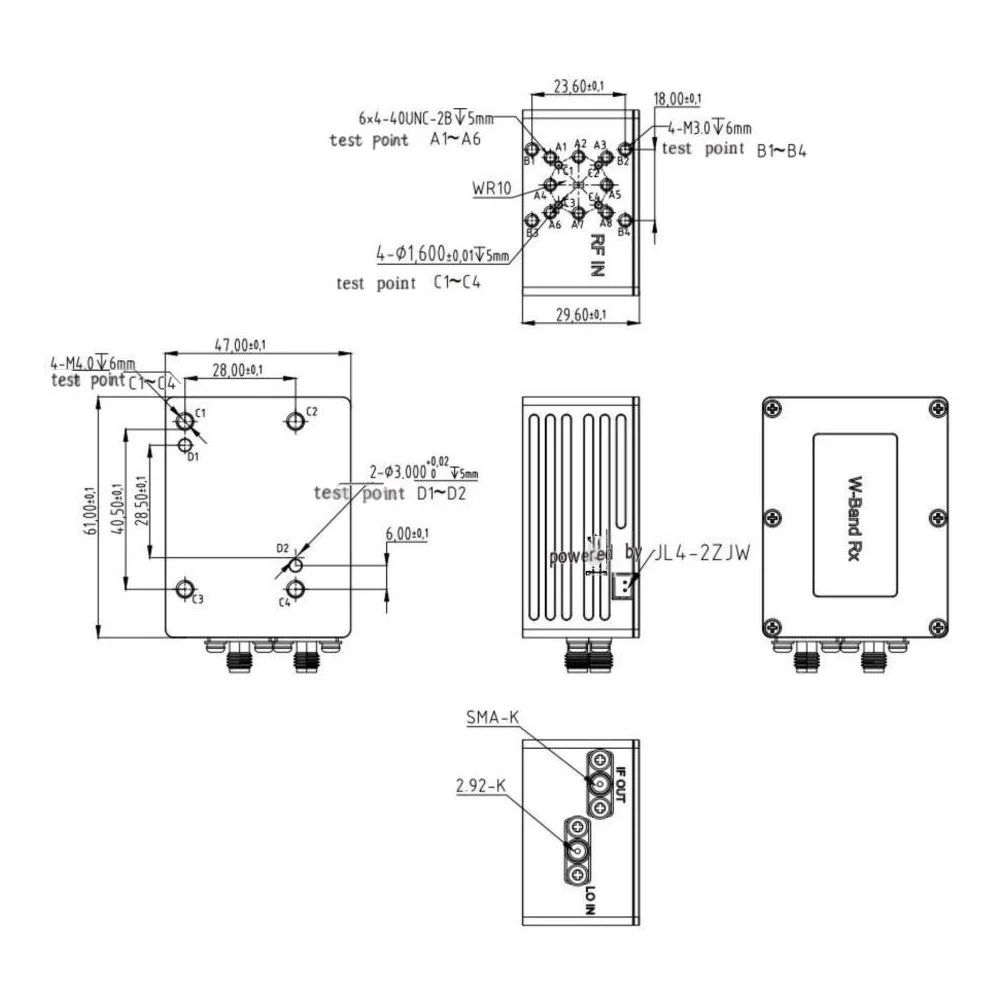
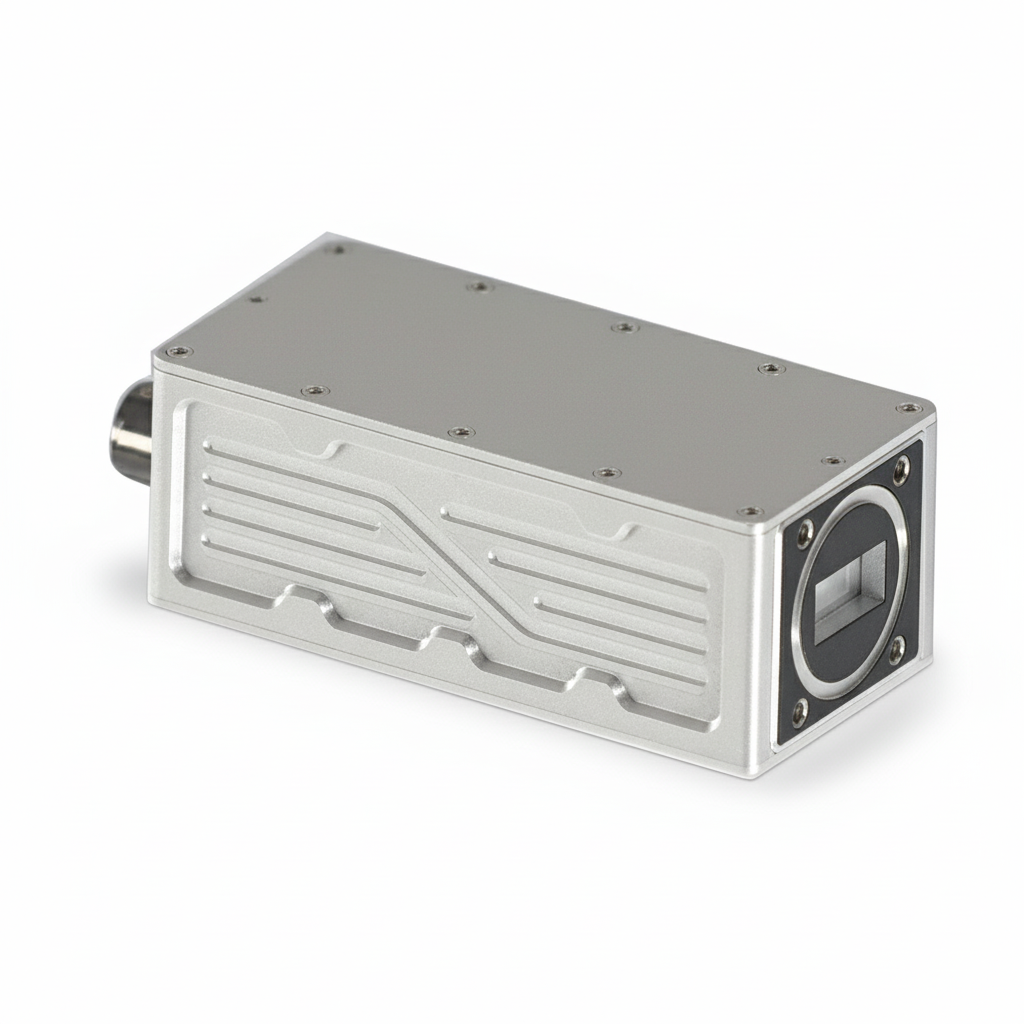
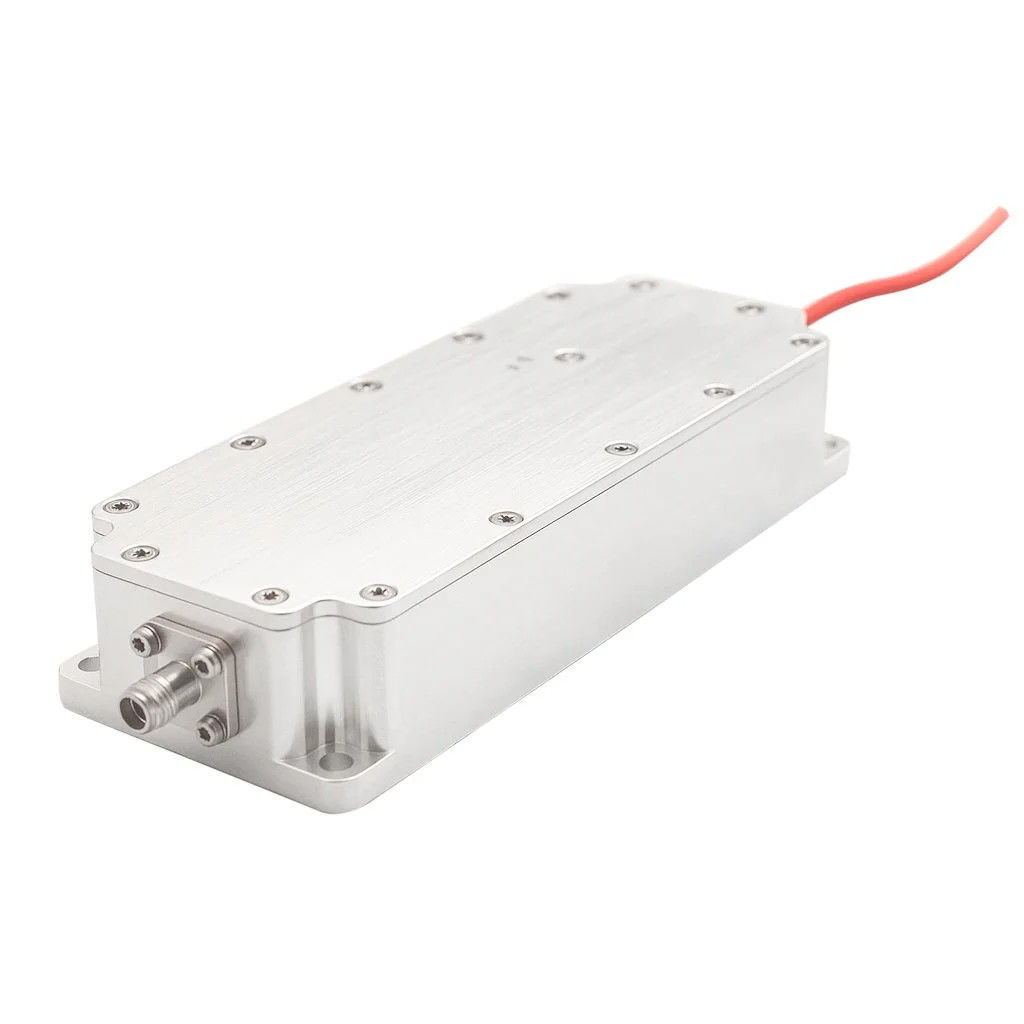
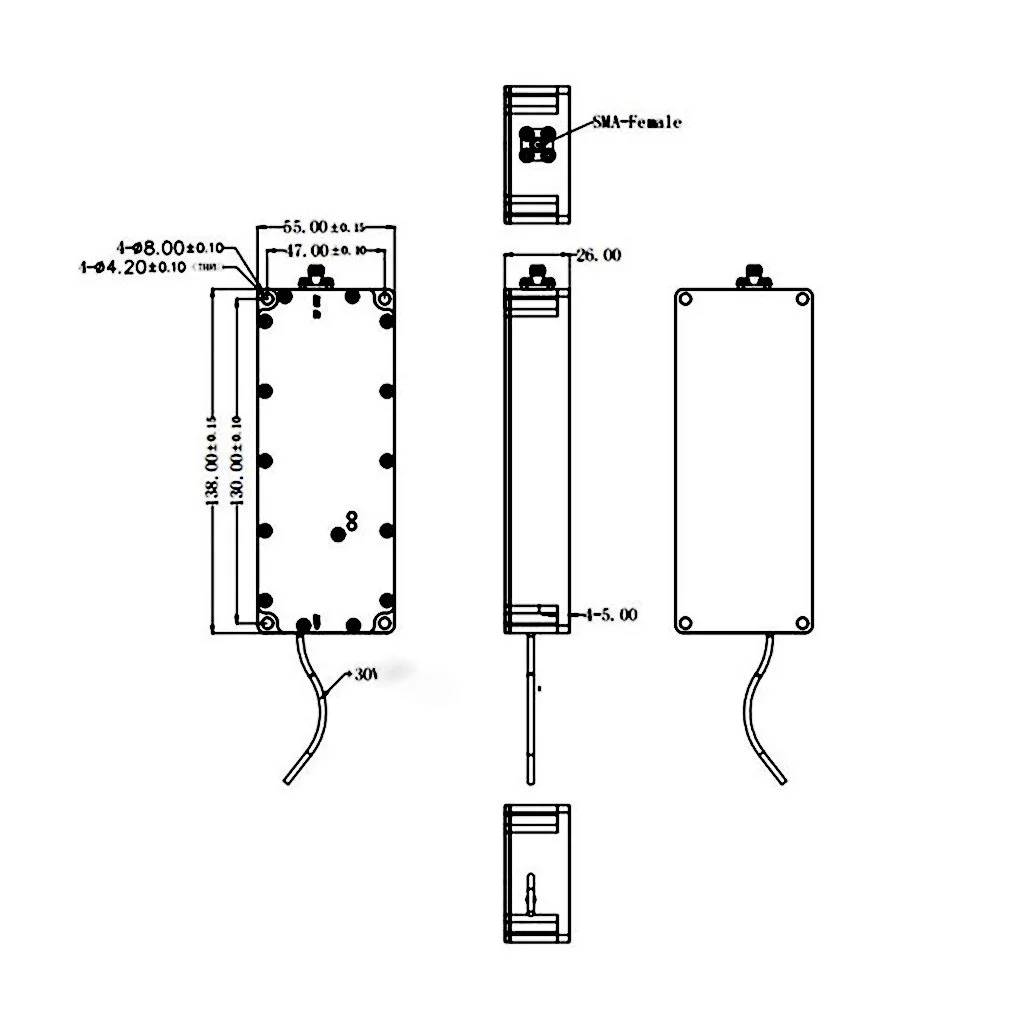
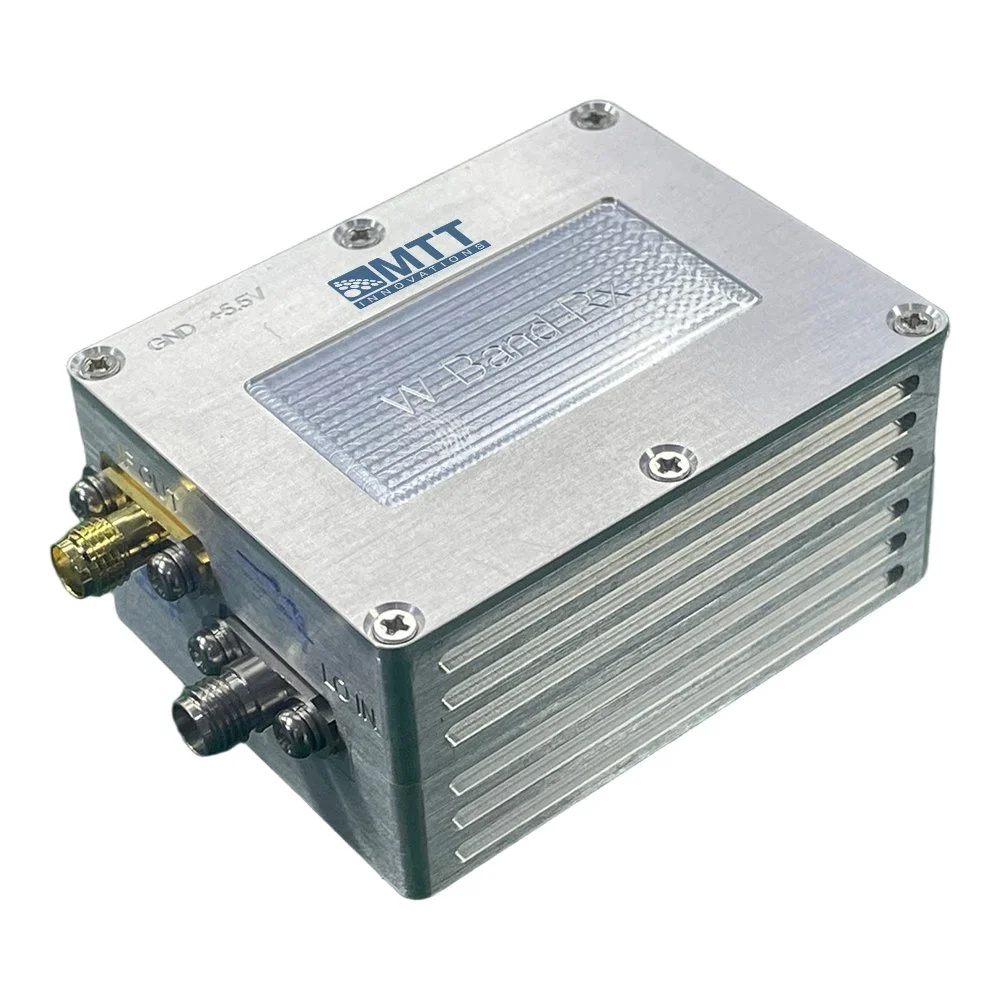
  • Dimensions : 60mm×47mm×29.6mm

  • Purpose: Receive-path component optimized for 92–94 GHz operation within the W band for high-resolution sensing, communications, and radar applications.

  • Key functions: Low-noise reception, downconversion (if included), gain control, and interface to downstream IF/digital processing.

Electrical Specifications

  • Frequency range: 92.0–94.0 GHz (W band)

  • Noise figure: Typical 3.5 dB (device dependent); options available down to ~2.5 dB for premium LNAs

  • Gain: Typical 15–22 dB (single-stage LNA) with options for cascaded stages up to 35+ dB

  • Gain flatness: ±1.0 dB across 92–94 GHz (typical)

  • Input return loss (S11): ≤ –10 dB across band

  • Output return loss (S22): ≤ –10 dB across band

  • P1dB (output 1 dB compression): +5 dBm (typical for integrated front-end)

  • IP3 (third-order intercept): +10 to +15 dBm (architecture dependent)

  • Spurious levels: Designed to meet stringent radar and comms spurious emission requirements; typical harmonic suppression > 40 dBc

Physical & Packaging

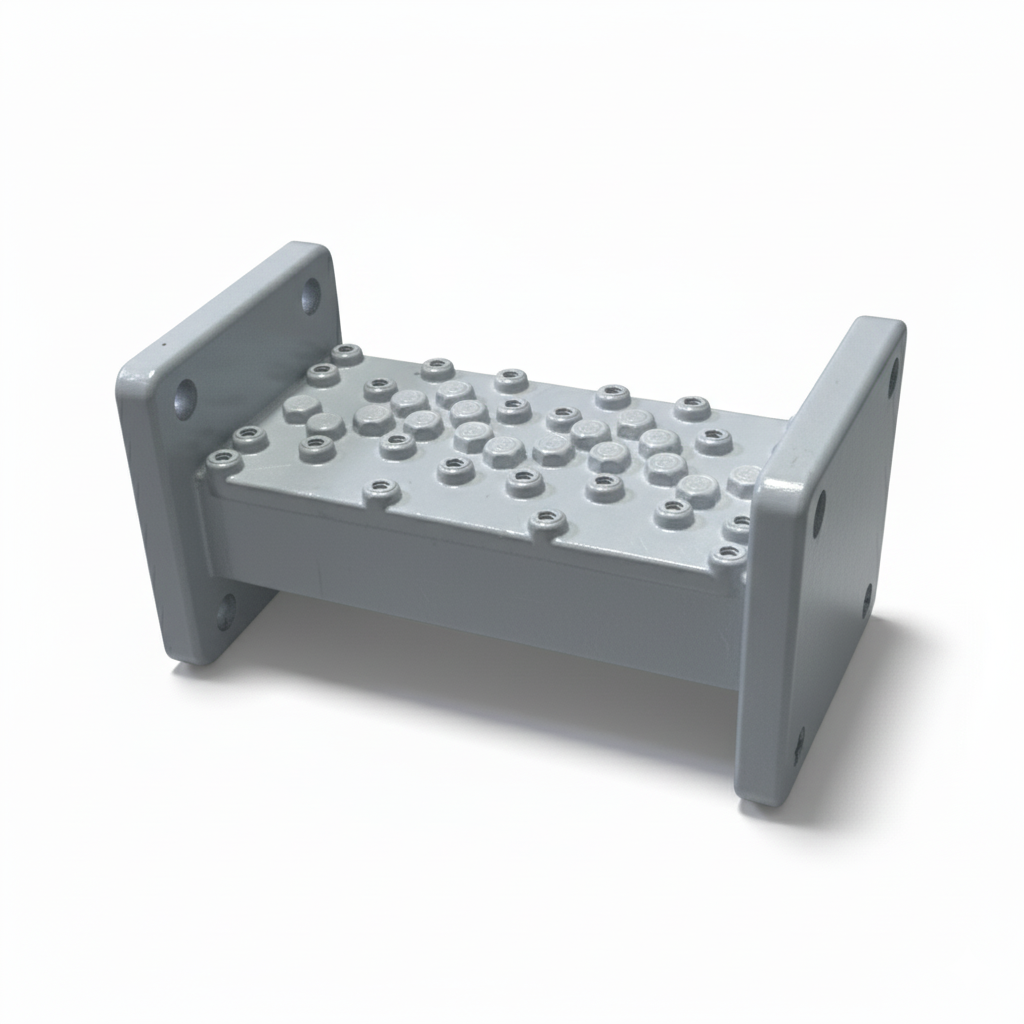
  • Form factor: Compact waveguide, substrate-integrated-waveguide (SIW), or mmWave surface-mount module depending on integration level

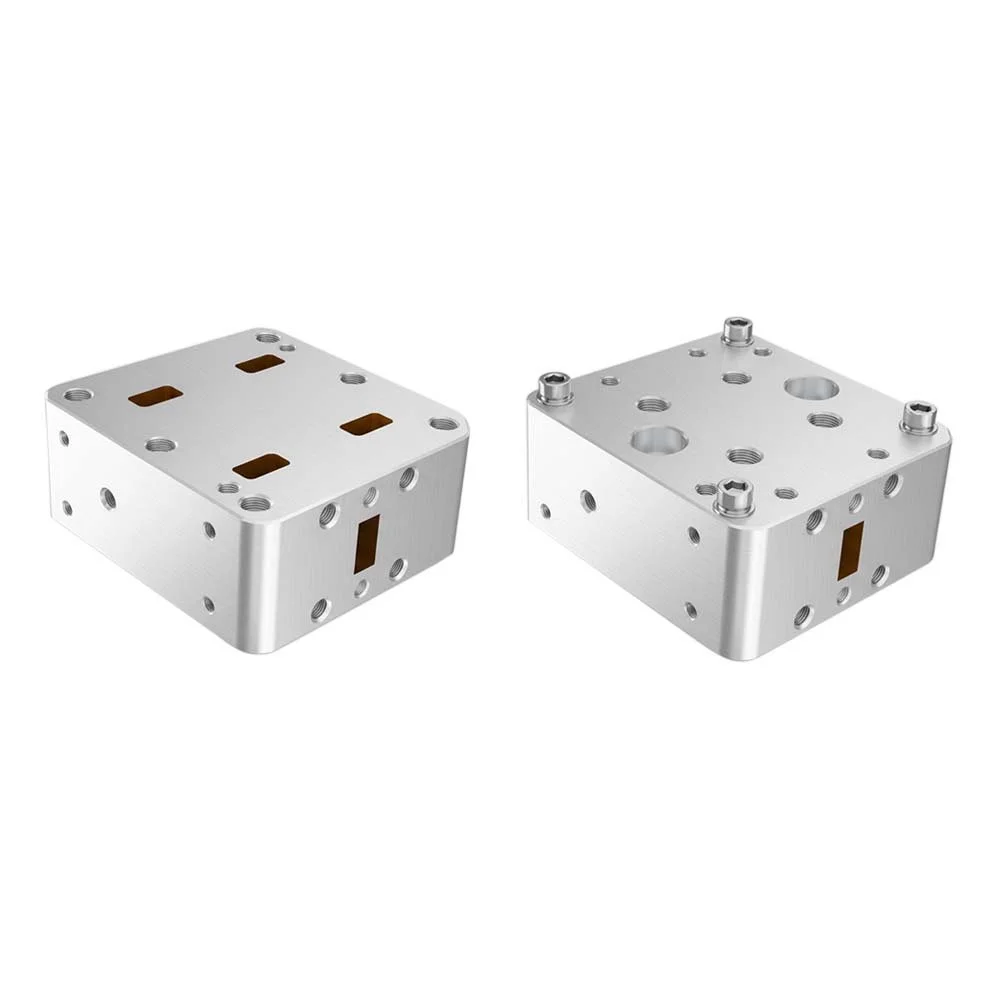
  • Waveguide interface: WR-10 (approximately 2.54 mm × 1.27 mm) or reduced-height WR-10 variants

  • Connector options: Waveguide flange, coaxial mmWave connectors, or direct PCB transition

  • Typical module size: from a few cubic centimeters (integrated SMT package) to tabletop waveguide assemblies

  • Environmental rating: Temperature range typically −40°C to +85°C; custom variants for extended ranges and shock/vibration per MIL-STD available

Functional Blocks (typical)

  • Input RF port with waveguide-to-microstrip transition

  • Band-defining filter tuned for 92–94 GHz to reject out-of-band energy

  • Low-noise amplifier (LNA) as first active stage to minimize system noise figure

  • Optional limiter/protection stage to guard against high-power interferers

  • Optional downconverter: Local oscillator (LO) injection and mixer to produce IF (common IF choices depend on system architecture)

  • Gain control: Fixed or variable gain amplifier (VGA) for dynamic range management

  • Output port: IF or RF output with matching to downstream interface

  • Power management: DC supply regulation and bias control; LO drive circuits if required

  • Monitoring & control: Bias monitoring, temperature sensor, digital interfaces (I2C/SPI) for advanced modules

Performance Considerations & Design Notes

  • LO generation and stability: High-purity LO with low phase noise is critical for coherent applications; integrated PLL options improve ease of use.

  • Thermal management: mmWave LNAs and mixers produce heat in a small volume—use thermal vias or metal-backed packages and consider conduction cooling to maintain consistent gain and noise figure.

  • Isolation and filtering: Strong isolation between LO, RF, and IF paths prevents leakage and spurious tones. High-Q bandpass filters at 92–94 GHz reduce out-of-band interferers.

  • Matching and transitions: Minimize transition losses from waveguide to microstrip; employ optimized tapers and simulated structures for best return loss.

  • Calibration: For precision radar and imaging, provide routines for gain/phase calibration and temperature compensation.

  • Manufacturability: Tight tolerances at W band require precision machining or advanced PCB processes (thin substrates, accurate patterning) and thorough test fixtures.

Application Examples

  • Automotive and industrial radar sensors for short-range, high-resolution imaging

  • Point-to-point high-capacity links and backhaul in dense RF environments

  • Millimeter-wave imaging systems for security screening and non-destructive testing

  • Atmospheric and radio astronomy receivers for narrow-band spectral observations

  • Research and development platforms for prototyping mmWave receiver chains

Test & Compliance

  • Typical test parameters: S-parameters (S11, S21, S22), noise figure, gain compression (P1dB), IP3, phase noise (if LO included), spurious emissions, group delay

  • Environmental and reliability testing: Thermal cycling, shock & vibration, humidity, and salt spray as required by application

  • Regulatory: Meet applicable emission and safety standards for target markets; high-frequency operation may require specific certification steps

Ordering & Customization

  • Standard SKUs: Pre-qualified modules covering 92–94 GHz with fixed gain/noise figure options

  • Custom options: Tailored LO frequency, IF conversion, waveguide interface, environmental ruggedization, and digital

W-Band Rx Component (92–94 GHz)

Product Features :

  • Operating Frequency Band : 92~94GHz

  • Noise Figure ≤5dB

  • Dimensions : 60mm×47mm×29.6mm

  • Purpose: Receive-path component optimized for 92–94 GHz operation within the W band for high-resolution sensing, communications, and radar applications.

  • Key functions: Low-noise reception, downconversion (if included), gain control, and interface to downstream IF/digital processing.

Electrical Specifications

  • Frequency range: 92.0–94.0 GHz (W band)

  • Noise figure: Typical 3.5 dB (device dependent); options available down to ~2.5 dB for premium LNAs

  • Gain: Typical 15–22 dB (single-stage LNA) with options for cascaded stages up to 35+ dB

  • Gain flatness: ±1.0 dB across 92–94 GHz (typical)

  • Input return loss (S11): ≤ –10 dB across band

  • Output return loss (S22): ≤ –10 dB across band

  • P1dB (output 1 dB compression): +5 dBm (typical for integrated front-end)

  • IP3 (third-order intercept): +10 to +15 dBm (architecture dependent)

  • Spurious levels: Designed to meet stringent radar and comms spurious emission requirements; typical harmonic suppression > 40 dBc

Physical & Packaging

  • Form factor: Compact waveguide, substrate-integrated-waveguide (SIW), or mmWave surface-mount module depending on integration level

  • Waveguide interface: WR-10 (approximately 2.54 mm × 1.27 mm) or reduced-height WR-10 variants

  • Connector options: Waveguide flange, coaxial mmWave connectors, or direct PCB transition

  • Typical module size: from a few cubic centimeters (integrated SMT package) to tabletop waveguide assemblies

  • Environmental rating: Temperature range typically −40°C to +85°C; custom variants for extended ranges and shock/vibration per MIL-STD available

Functional Blocks (typical)

  • Input RF port with waveguide-to-microstrip transition

  • Band-defining filter tuned for 92–94 GHz to reject out-of-band energy

  • Low-noise amplifier (LNA) as first active stage to minimize system noise figure

  • Optional limiter/protection stage to guard against high-power interferers

  • Optional downconverter: Local oscillator (LO) injection and mixer to produce IF (common IF choices depend on system architecture)

  • Gain control: Fixed or variable gain amplifier (VGA) for dynamic range management

  • Output port: IF or RF output with matching to downstream interface

  • Power management: DC supply regulation and bias control; LO drive circuits if required

  • Monitoring & control: Bias monitoring, temperature sensor, digital interfaces (I2C/SPI) for advanced modules

Performance Considerations & Design Notes

  • LO generation and stability: High-purity LO with low phase noise is critical for coherent applications; integrated PLL options improve ease of use.

  • Thermal management: mmWave LNAs and mixers produce heat in a small volume—use thermal vias or metal-backed packages and consider conduction cooling to maintain consistent gain and noise figure.

  • Isolation and filtering: Strong isolation between LO, RF, and IF paths prevents leakage and spurious tones. High-Q bandpass filters at 92–94 GHz reduce out-of-band interferers.

  • Matching and transitions: Minimize transition losses from waveguide to microstrip; employ optimized tapers and simulated structures for best return loss.

  • Calibration: For precision radar and imaging, provide routines for gain/phase calibration and temperature compensation.

  • Manufacturability: Tight tolerances at W band require precision machining or advanced PCB processes (thin substrates, accurate patterning) and thorough test fixtures.

Application Examples

  • Automotive and industrial radar sensors for short-range, high-resolution imaging

  • Point-to-point high-capacity links and backhaul in dense RF environments

  • Millimeter-wave imaging systems for security screening and non-destructive testing

  • Atmospheric and radio astronomy receivers for narrow-band spectral observations

  • Research and development platforms for prototyping mmWave receiver chains

Test & Compliance

  • Typical test parameters: S-parameters (S11, S21, S22), noise figure, gain compression (P1dB), IP3, phase noise (if LO included), spurious emissions, group delay

  • Environmental and reliability testing: Thermal cycling, shock & vibration, humidity, and salt spray as required by application

  • Regulatory: Meet applicable emission and safety standards for target markets; high-frequency operation may require specific certification steps

Ordering & Customization

  • Standard SKUs: Pre-qualified modules covering 92–94 GHz with fixed gain/noise figure options

  • Custom options: Tailored LO frequency, IF conversion, waveguide interface, environmental ruggedization, and digital

Electrical Specifications
Electrical specifications including frequency range, gain, noise figure, LO input power, and temperature performance characteristics.
Parameter Min Typ Max Unit
Frequency 92 - 94 GHz
Bandwidth - 2 - GHz
Receive Gain - 27 - dB
LO Input Power 2 <2 8 dBm
Gain Flatness - <2 - dB
Receive Noise Figure - 4.5 - dB
Gain Variation vs. Temperature - <1.5 - dB
Spurs - <4.5 - dBc
Power Variation at High Temperature - <1.5 - dB
Performance Specifications
Performance specifications including maximum ratings for power, voltage and temperature.
Parameter Maximum Rating
Input Power -20 dBm (CW)
Operating Voltage +6.5 V
Operating Temperature -40 ℃ to +85 ℃
Storage Temperature -55 ℃ to +85 ℃
Recommended Operating Conditions
Recommended operating conditions including power, voltage, temperature and current.
Parameter Min Typ Max Unit
Input Power (CW) -30 - - dBm
Operating Voltage (Vd) 5 5.5 6 VDC
Operating Temperature -32 - +75
Operating Current 0.5 - - A
Interface Definition
Interface definition including connector type, pin number, signal name and attribute.
Interface Pin No. Name Attribute
JL4-2ZJW 1 VDD +5.5V
JL4-2ZJW 2 GND -
2.92-Female - FRIN RF Input
SMA-Female - IFOUT Intermediate frequency output interface
WR10 - FROUT RF Output