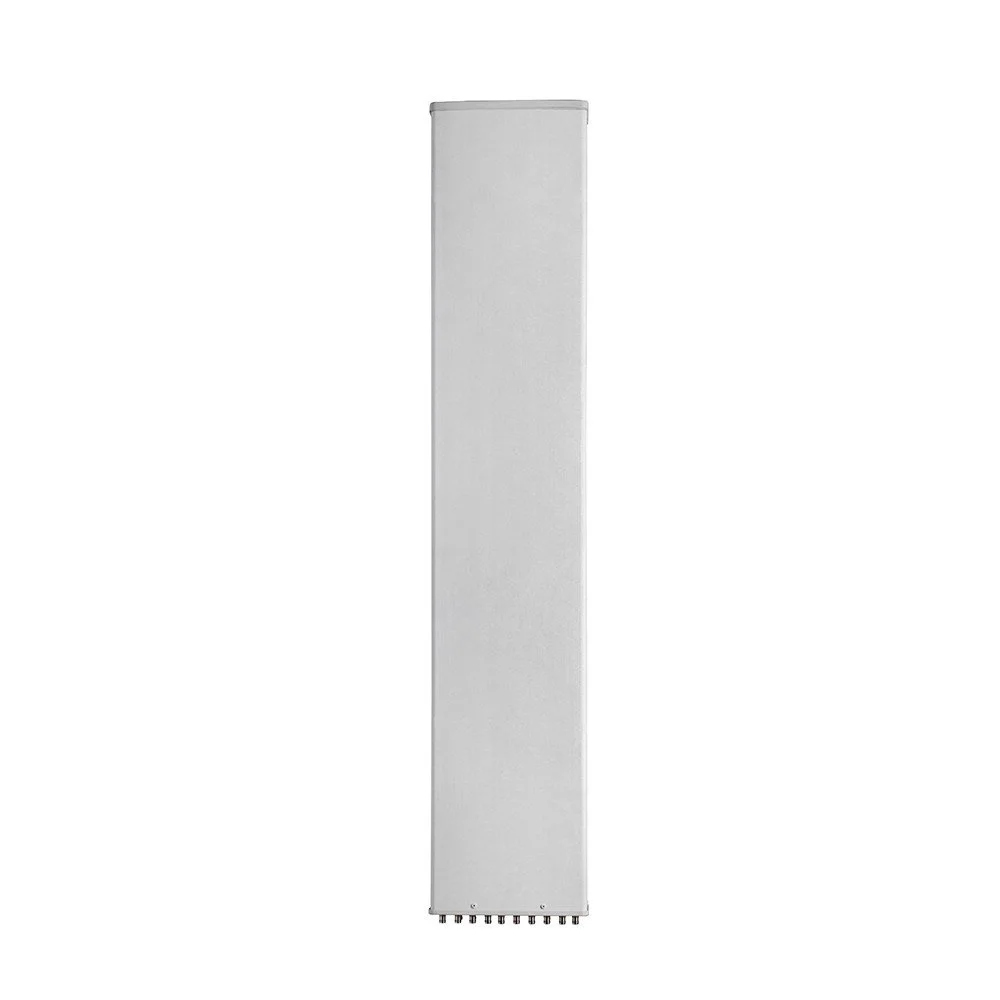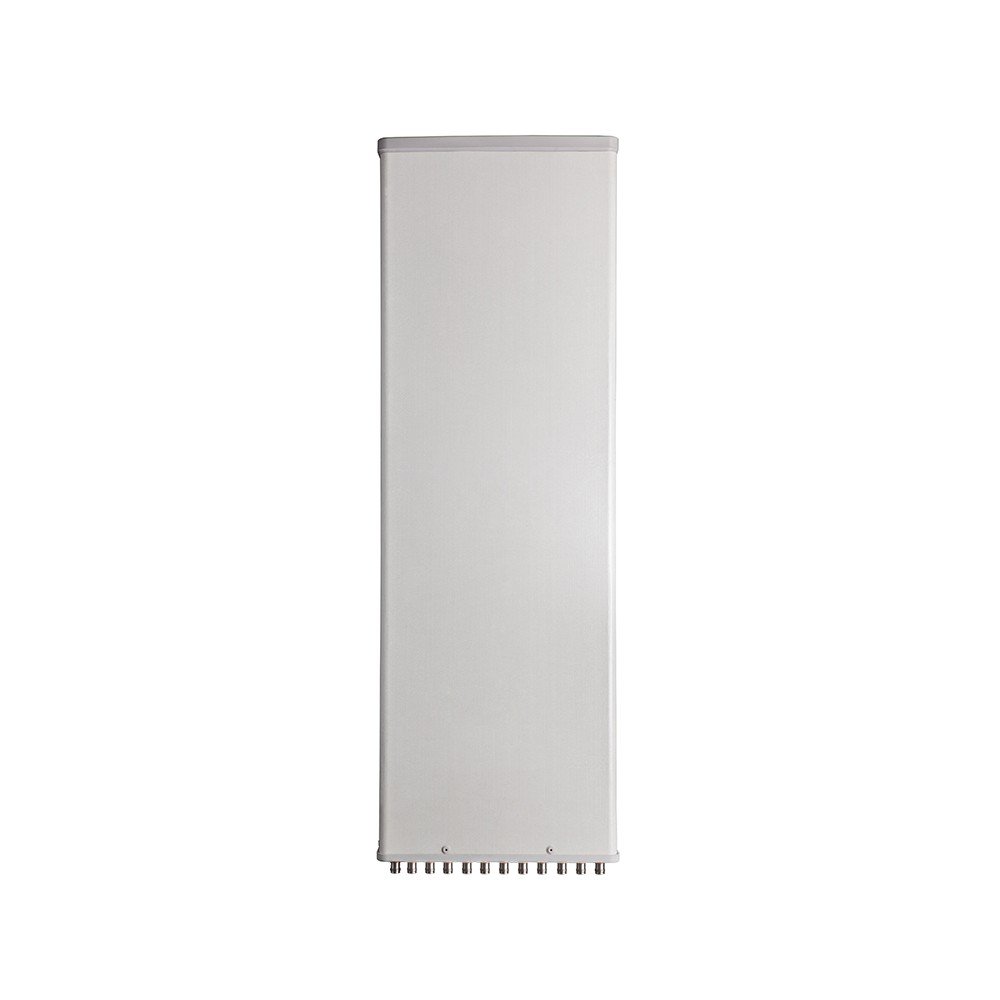
20-Port, Panel Sector Antenna ( 698 - 2690 MHz )

₹0.00

20-Port Panel Sector Antenna (698–2690 MHz)

Overview A high-performance 20-port panel sector antenna engineered for multi-operator, multi-band deployments across 698–2690 MHz. Designed for dense urban and suburban sites, the antenna supports simultaneous multi-carrier connectivity with low inter-port isolation, controlled sector coverage, and industry-grade durability.

Key Features :

  • Frequency range: 698–2690 MHz — covers full LTE bands and foundational frequencies for wideband 2G/3G/4G LTE deployments.

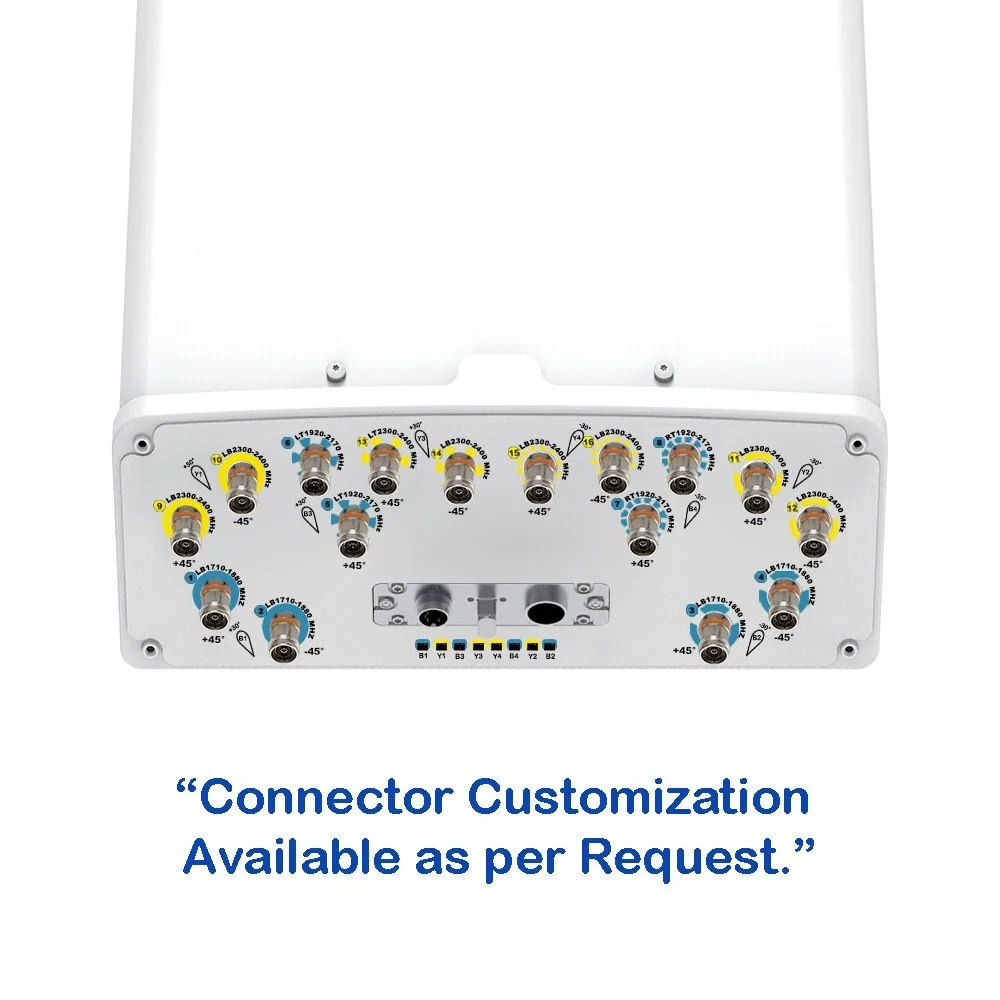
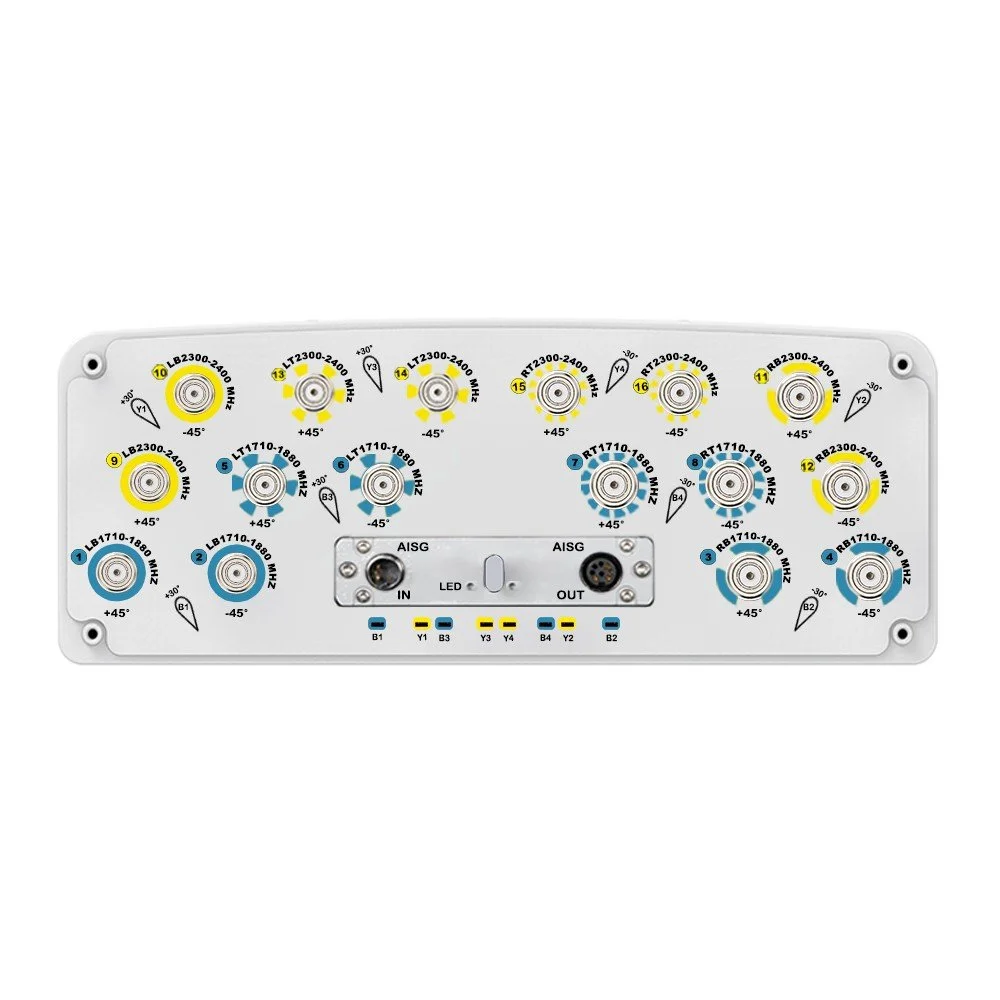
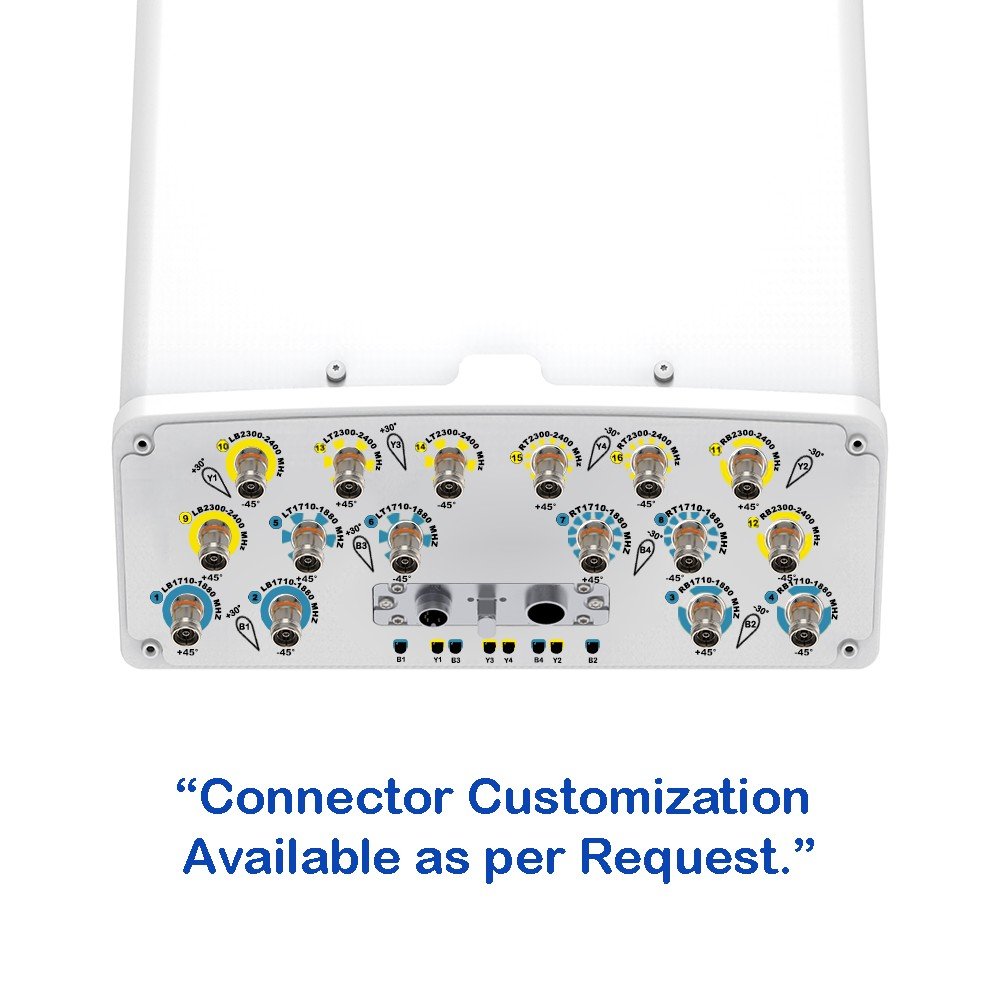
  • 20 independent RF ports — enables multi-operator sharing, massive MIMO-like configurations, or per-carrier/per-sector segregation for flexible network architectures.

  • Sector aperture: optimized horizontal beamwidth (typical 60°) with adjustable mechanical tilt options (electrical tilt support varies by model) for precise coverage shaping.

  • Vertical patterns: multiple down-tilt options and controlled vertical beamwidth to reduce interference and optimize azimuthal overlap.

  • Port isolation: engineered to minimize inter-port coupling for improved MIMO performance and predictable RF behavior.

  • Low insertion loss and high port return loss across bands for efficient power transfer and reduced heat.

  • Robust construction: weatherproof radome and marine-grade hardware rated for long-term outdoor exposure.

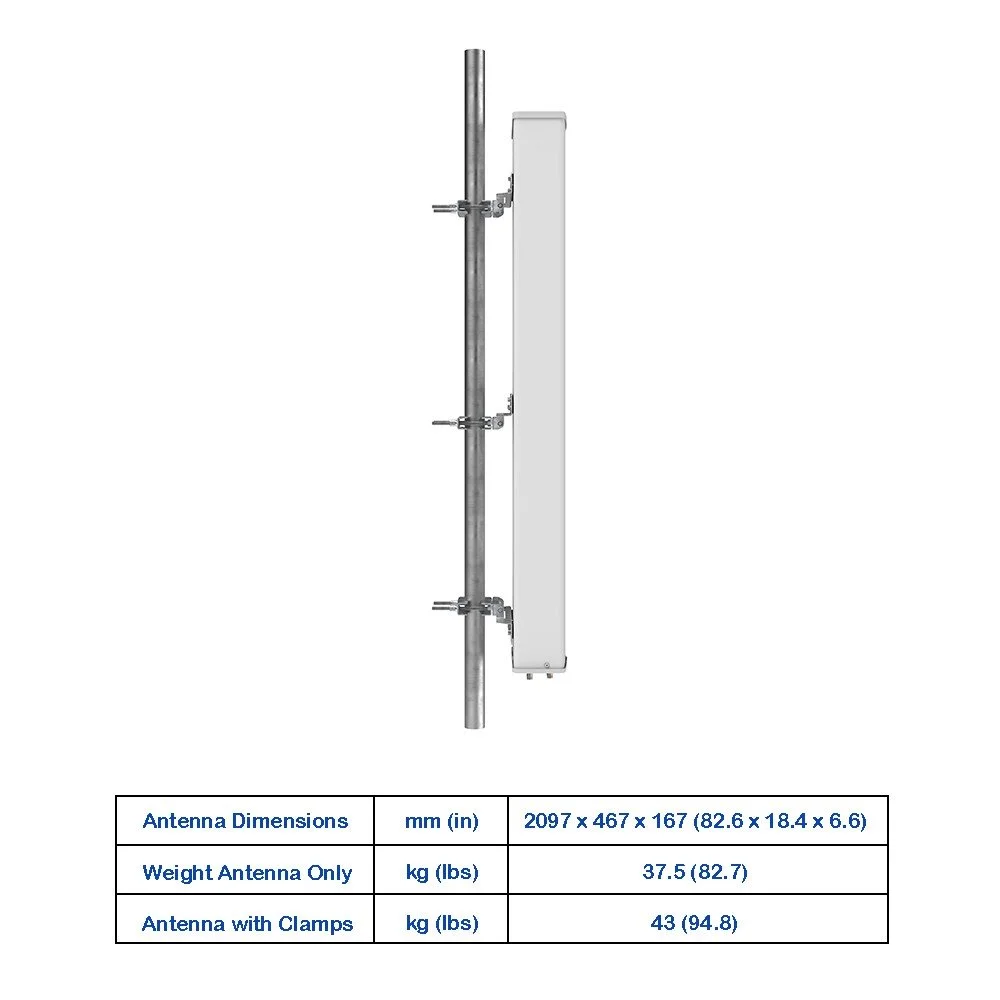
  • Mounting: universal mounting bracket compatible with a range of mast diameters and quick-install features to reduce tower time.

  • Lightning and grounding: integrated grounding points and surge protection options to meet site safety requirements.

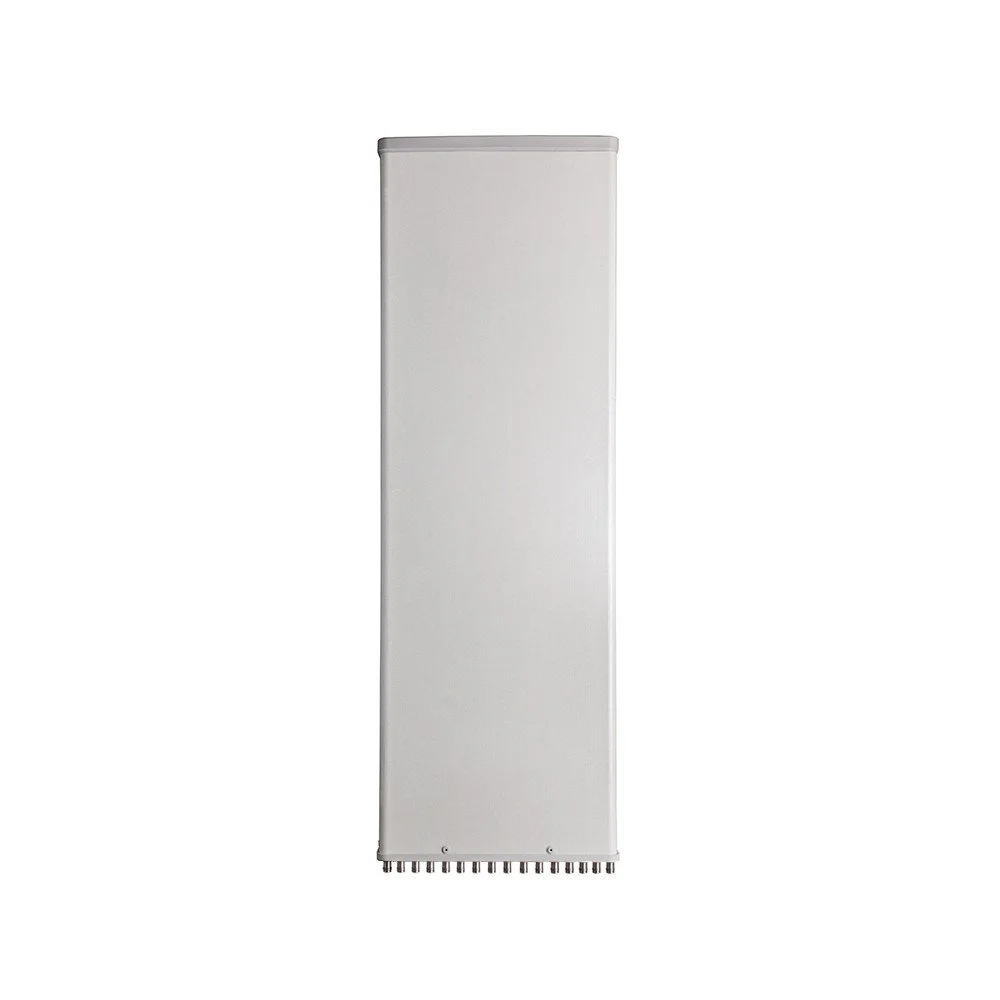
  • Low visual profile: slim panel design for reduced visual impact on rooftops and street-level installations.

Typical Use Cases

  • Shared infrastructure: multiple mobile network operators hosting radios on a single sector with dedicated ports per operator.

  • Distributed RAN and small cell backhaul: aggregated coverage where multiple radio heads need separated antenna ports.

  • Capacity layering: separating carriers across ports to optimize capacity and backhaul distribution.

  • Replacement/upgrades: drop-in replacements for legacy multi-port panels requiring wider frequency coverage.

Technical Specifications (Representative)

  • Frequency: 698–2690 MHz

  • Number of ports: 20

  • Horizontal beamwidth: ~60° (per sector)

  • Vertical beamwidth: model-dependent; typical 6°–12° options

  • Gain: frequency-dependent (typical range 6–12 dBi across band)

  • VSWR: ≤1.8:1 across specified bands (typical)

  • Port isolation: ≥20 dB between adjacent ports (typical; model-dependent)

  • Power handling: industry standard per-port ratings; consult model-specific datasheet for exact values

  • Impedance: 50 Ω

  • Connector type: low-PIM N-type or 4.3-10 (model dependent)

  • Wind survival: up to industry-standard velocities (refer to datasheet for exact figures)

  • Ingress protection: IP65 or higher

  • Operating temperature: -40°C to +60°C

Mechanical

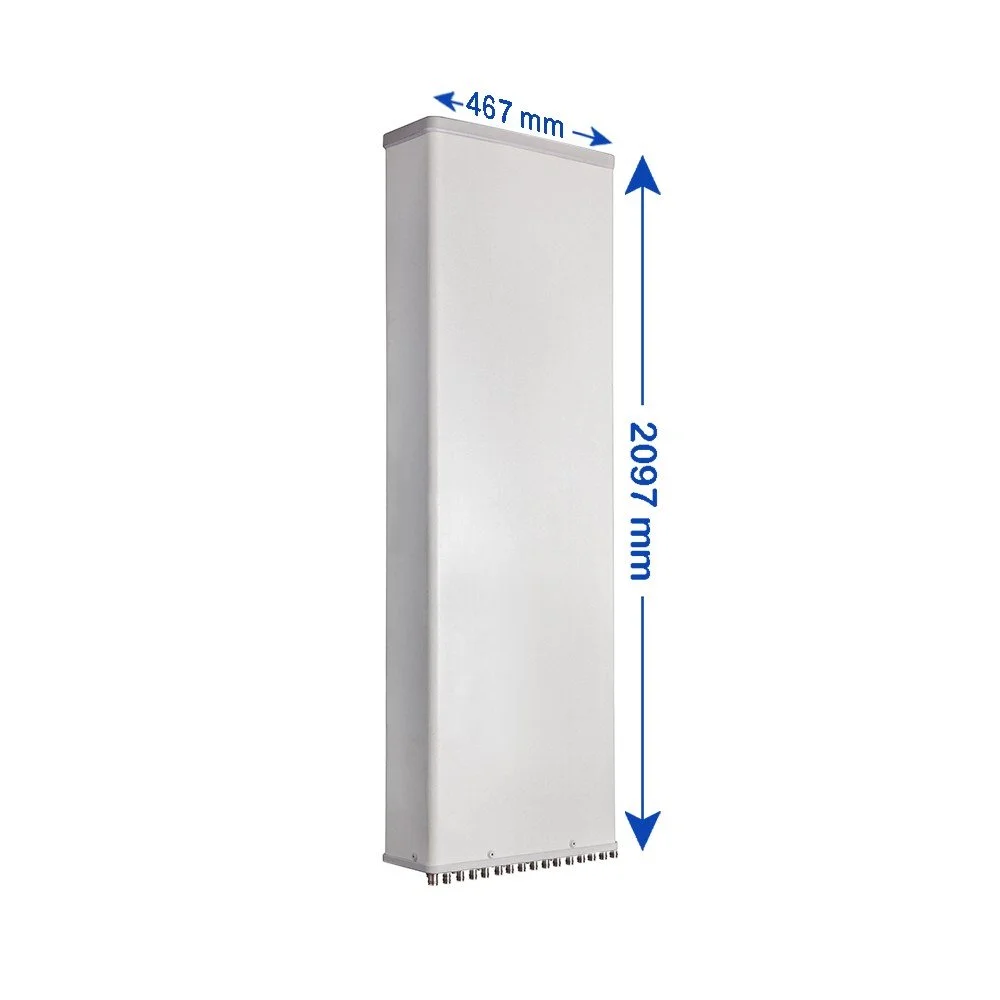
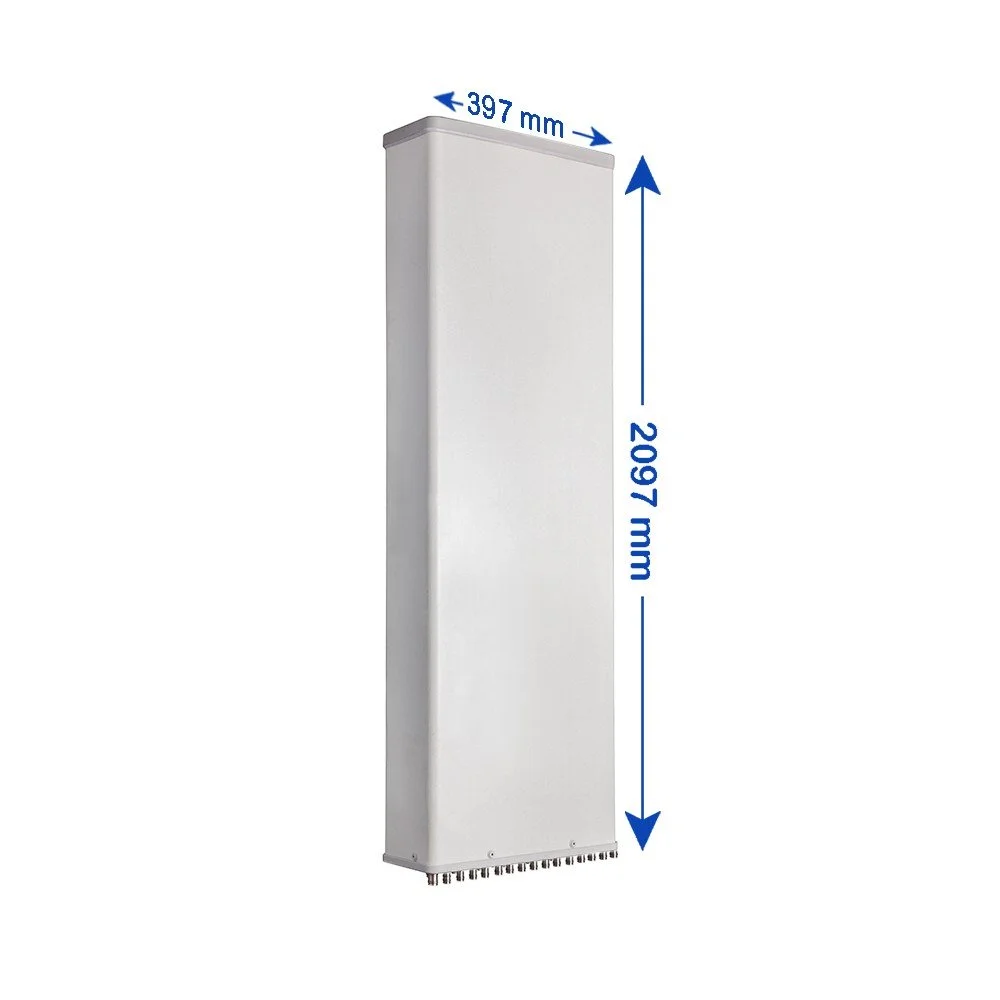
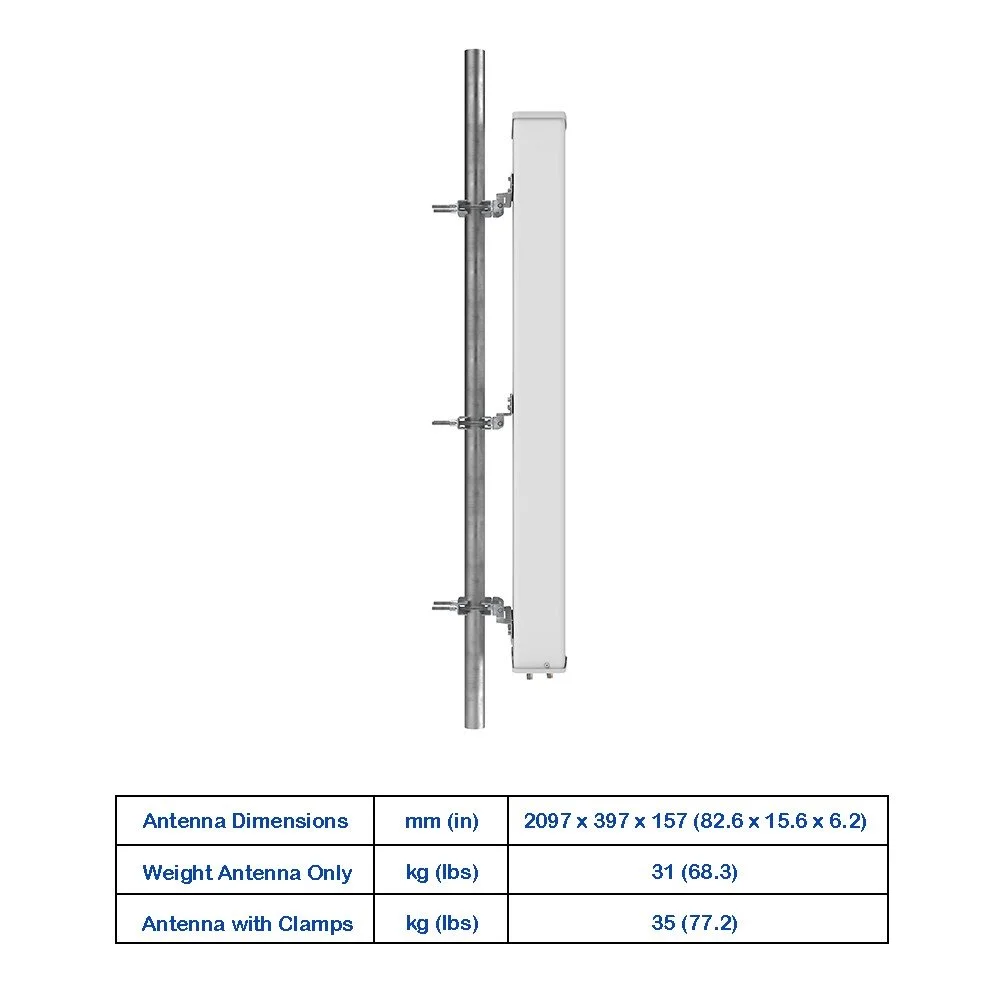
  • Dimensions: slim low-profile panel; specific height/width/depth vary by model

  • Weight: model-dependent; designed for lightweight tower loads

  • Mounting: adjustable with azimuth and mechanical tilt fine-tuning

  • Finish: UV-stable radome with corrosion-resistant hardware

Compliance & Reliability

  • Designed to meet telecommunication industry standards for RF performance, mechanical integrity, and environmental exposure.

  • Low-PIM designs and quality control testing for carrier-grade deployments.

  • Optional factory-configured cable assemblies and connectors to meet site-specific needs.

Ordering & Customization

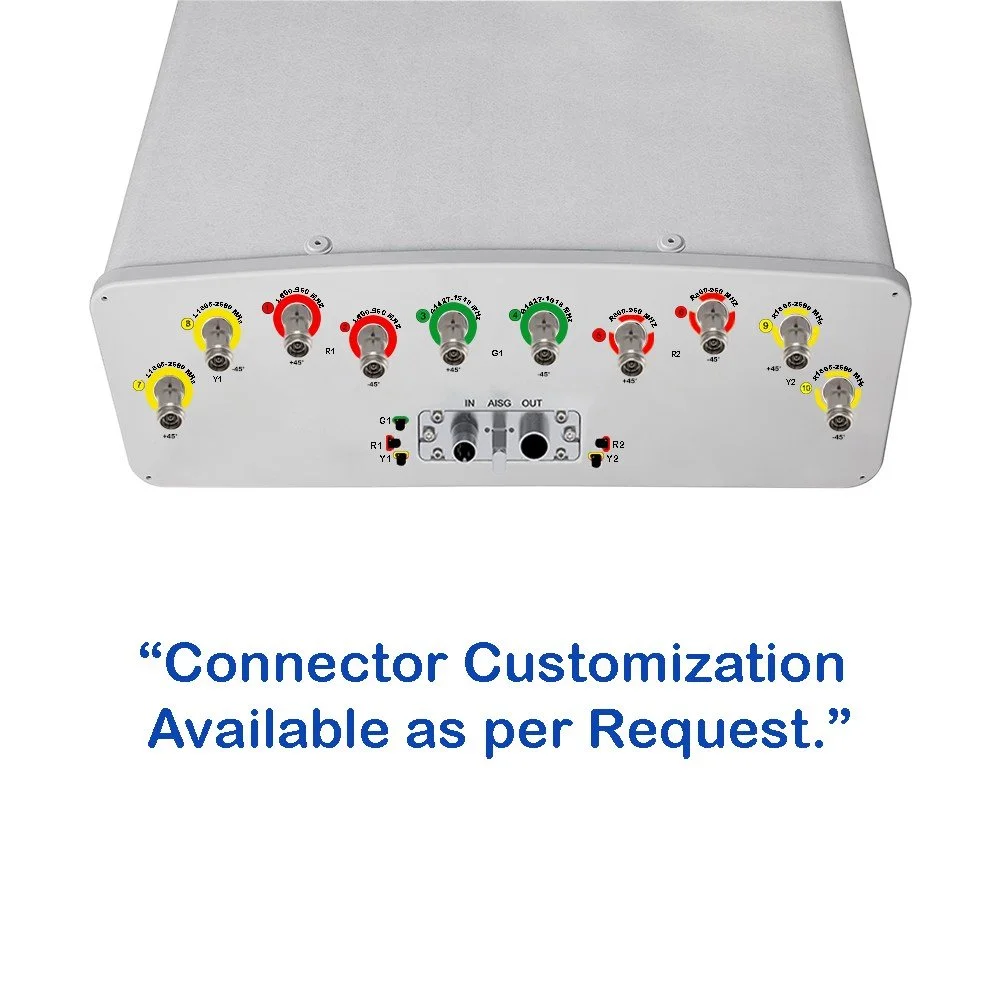
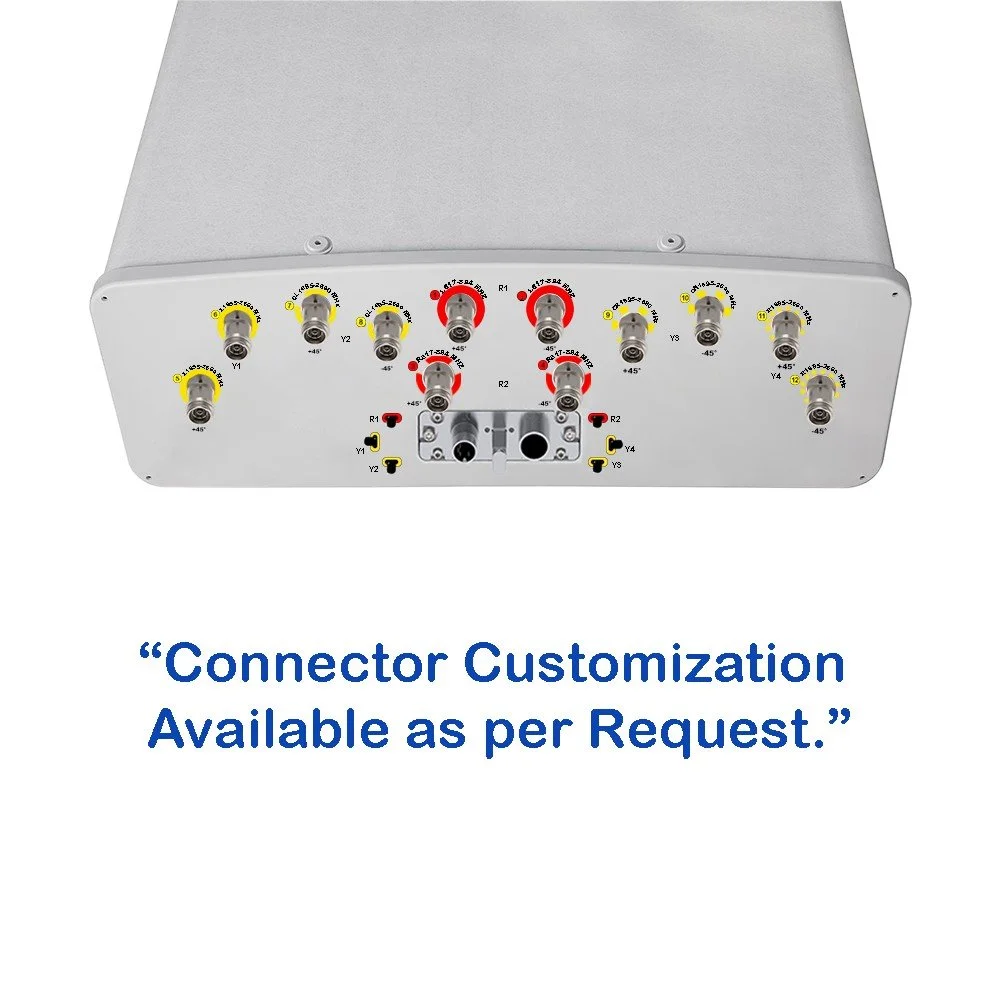
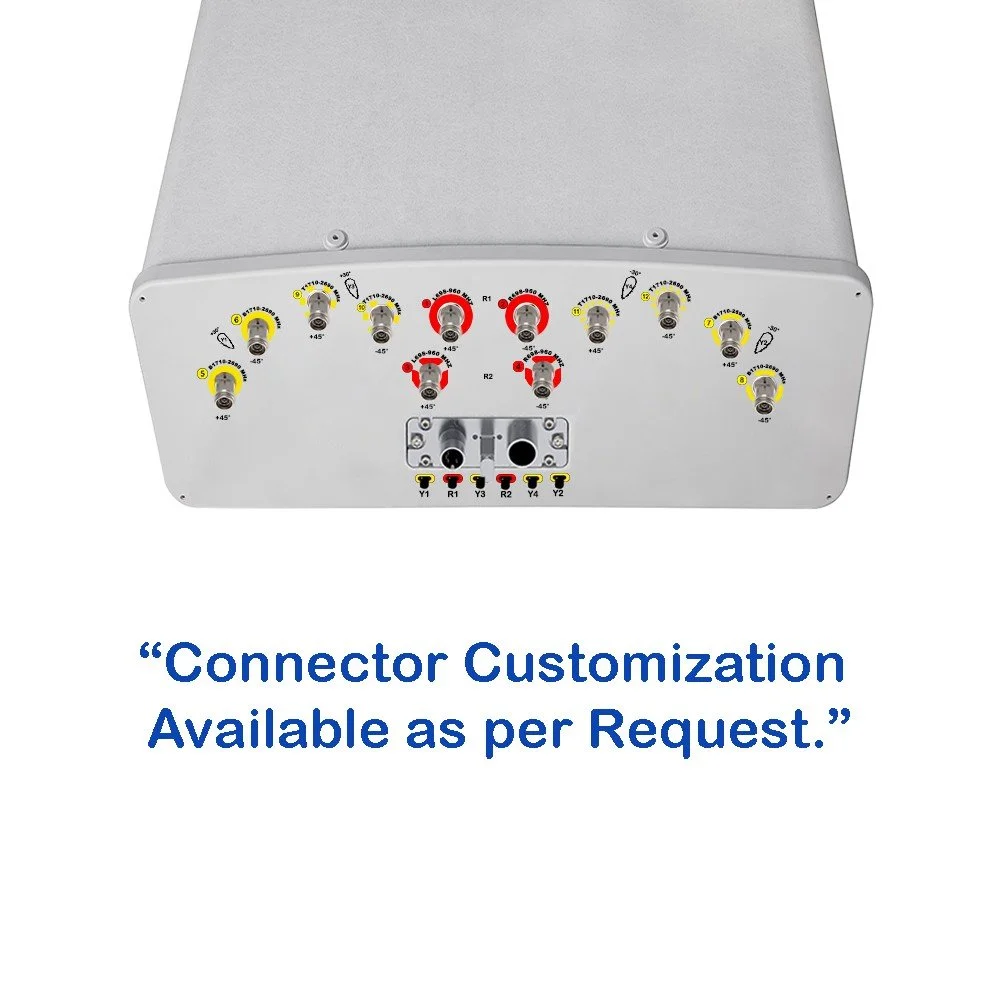
  • Available in multiple connector types, downtilt options, and mounting kits.

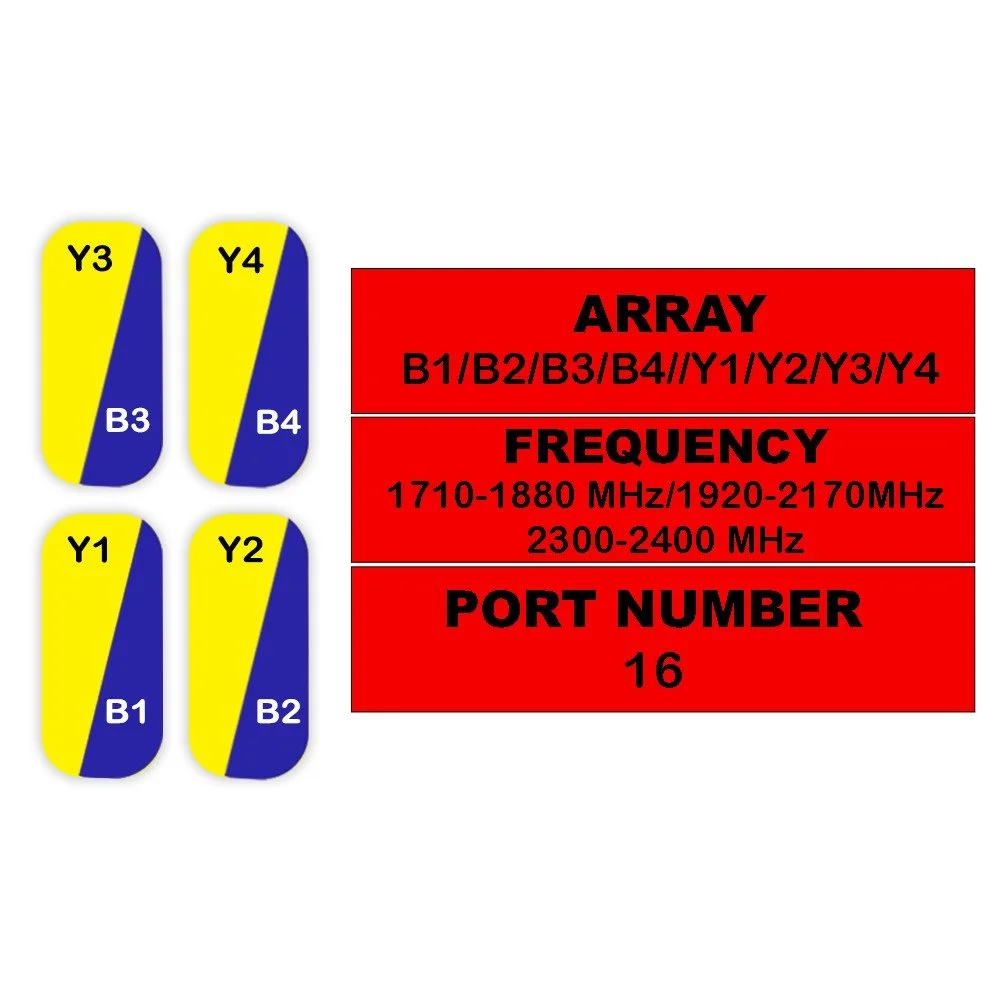
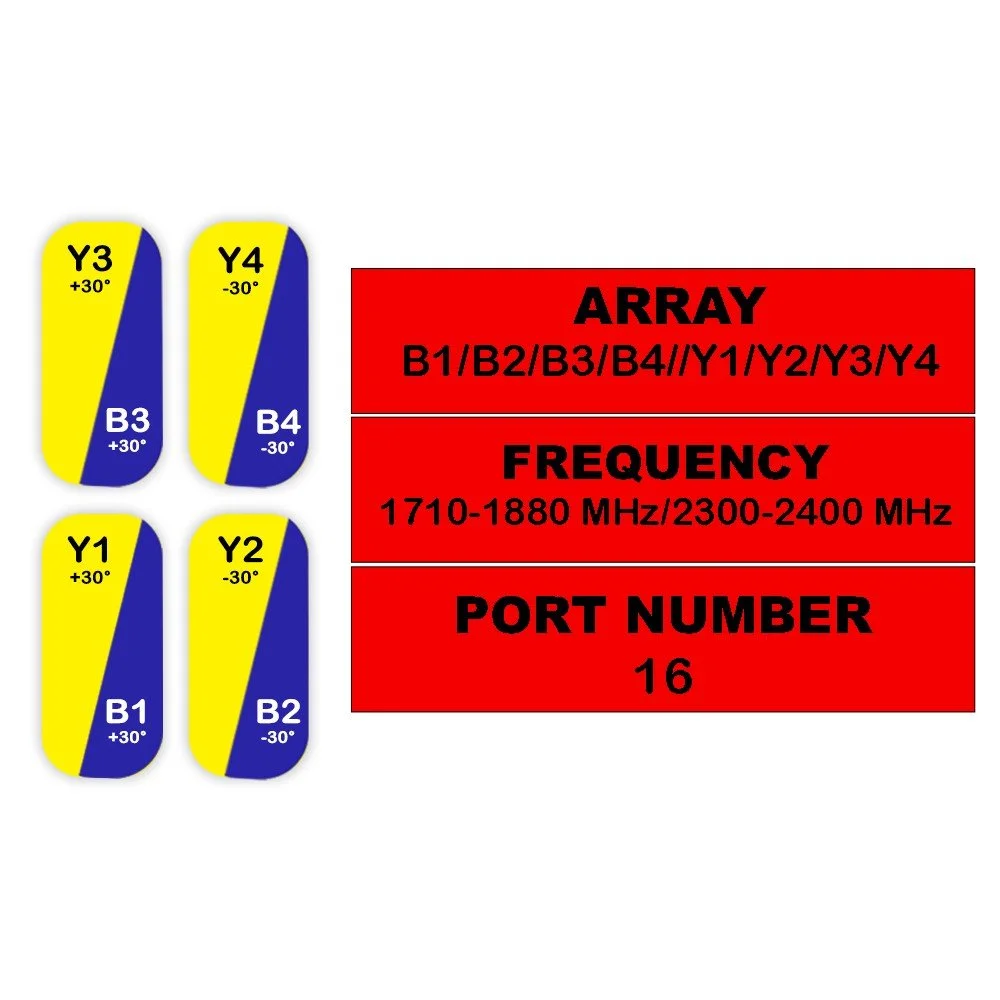
  • Custom labeling and band-segmentation configurations available on request for operator-specific deployments.

  • Factory testing and extended warranty options offered.

20-Port Panel Sector Antenna (698–2690 MHz)

Overview A high-performance 20-port panel sector antenna engineered for multi-operator, multi-band deployments across 698–2690 MHz. Designed for dense urban and suburban sites, the antenna supports simultaneous multi-carrier connectivity with low inter-port isolation, controlled sector coverage, and industry-grade durability.

Key Features :

  • Frequency range: 698–2690 MHz — covers full LTE bands and foundational frequencies for wideband 2G/3G/4G LTE deployments.

  • 20 independent RF ports — enables multi-operator sharing, massive MIMO-like configurations, or per-carrier/per-sector segregation for flexible network architectures.

  • Sector aperture: optimized horizontal beamwidth (typical 60°) with adjustable mechanical tilt options (electrical tilt support varies by model) for precise coverage shaping.

  • Vertical patterns: multiple down-tilt options and controlled vertical beamwidth to reduce interference and optimize azimuthal overlap.

  • Port isolation: engineered to minimize inter-port coupling for improved MIMO performance and predictable RF behavior.

  • Low insertion loss and high port return loss across bands for efficient power transfer and reduced heat.

  • Robust construction: weatherproof radome and marine-grade hardware rated for long-term outdoor exposure.

  • Mounting: universal mounting bracket compatible with a range of mast diameters and quick-install features to reduce tower time.

  • Lightning and grounding: integrated grounding points and surge protection options to meet site safety requirements.

  • Low visual profile: slim panel design for reduced visual impact on rooftops and street-level installations.

Typical Use Cases

  • Shared infrastructure: multiple mobile network operators hosting radios on a single sector with dedicated ports per operator.

  • Distributed RAN and small cell backhaul: aggregated coverage where multiple radio heads need separated antenna ports.

  • Capacity layering: separating carriers across ports to optimize capacity and backhaul distribution.

  • Replacement/upgrades: drop-in replacements for legacy multi-port panels requiring wider frequency coverage.

Technical Specifications (Representative)

  • Frequency: 698–2690 MHz

  • Number of ports: 20

  • Horizontal beamwidth: ~60° (per sector)

  • Vertical beamwidth: model-dependent; typical 6°–12° options

  • Gain: frequency-dependent (typical range 6–12 dBi across band)

  • VSWR: ≤1.8:1 across specified bands (typical)

  • Port isolation: ≥20 dB between adjacent ports (typical; model-dependent)

  • Power handling: industry standard per-port ratings; consult model-specific datasheet for exact values

  • Impedance: 50 Ω

  • Connector type: low-PIM N-type or 4.3-10 (model dependent)

  • Wind survival: up to industry-standard velocities (refer to datasheet for exact figures)

  • Ingress protection: IP65 or higher

  • Operating temperature: -40°C to +60°C

Mechanical

  • Dimensions: slim low-profile panel; specific height/width/depth vary by model

  • Weight: model-dependent; designed for lightweight tower loads

  • Mounting: adjustable with azimuth and mechanical tilt fine-tuning

  • Finish: UV-stable radome with corrosion-resistant hardware

Compliance & Reliability

  • Designed to meet telecommunication industry standards for RF performance, mechanical integrity, and environmental exposure.

  • Low-PIM designs and quality control testing for carrier-grade deployments.

  • Optional factory-configured cable assemblies and connectors to meet site-specific needs.

Ordering & Customization

  • Available in multiple connector types, downtilt options, and mounting kits.

  • Custom labeling and band-segmentation configurations available on request for operator-specific deployments.

  • Factory testing and extended warranty options offered.

Electrical Specifications
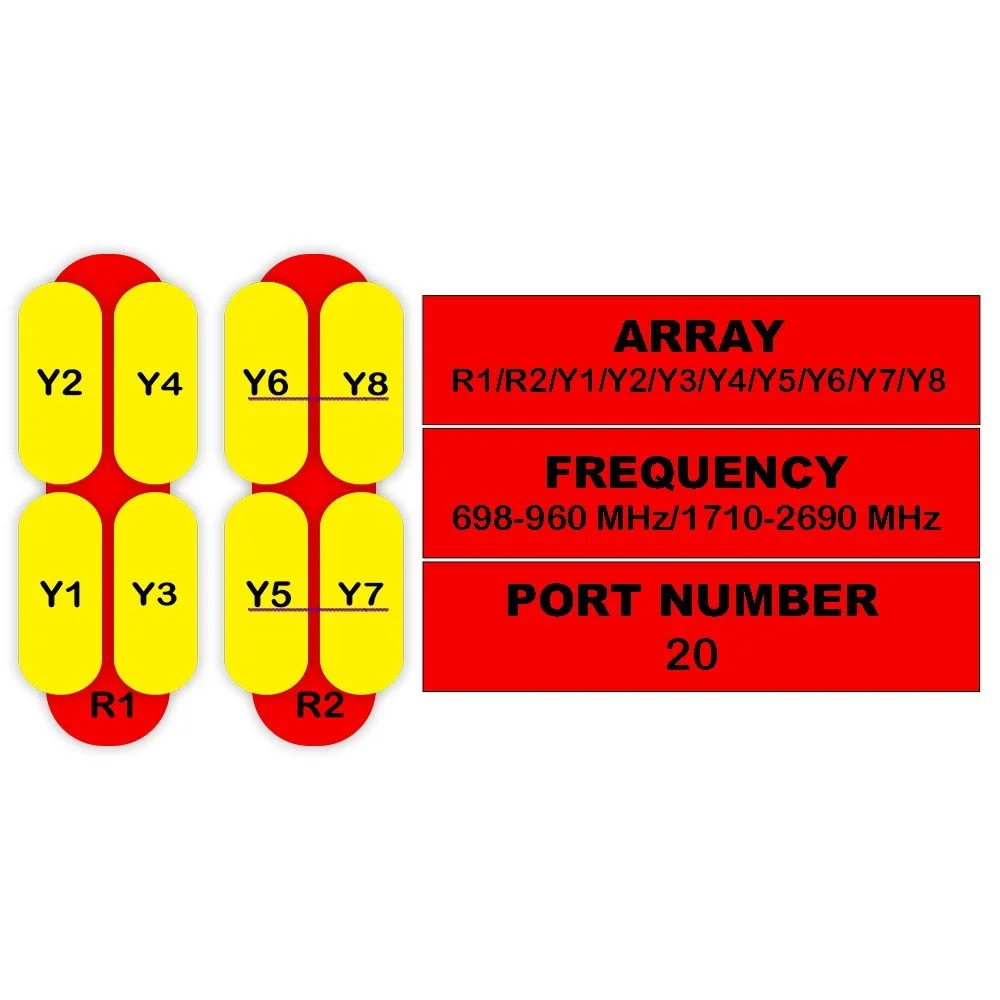
Detailed electrical specifications including gain, beamwidth, downtilt, suppression, isolation, impedance, VSWR, return loss, and maximum input power across all supported bands.
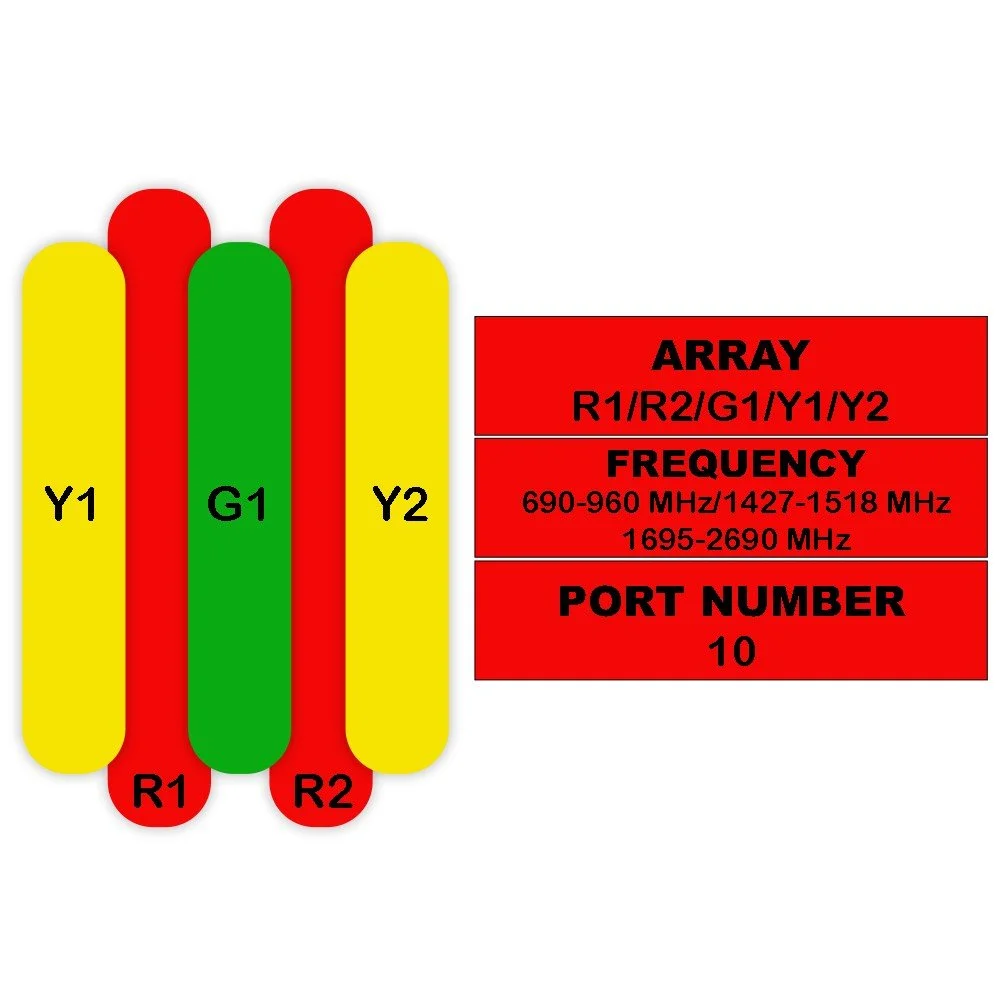
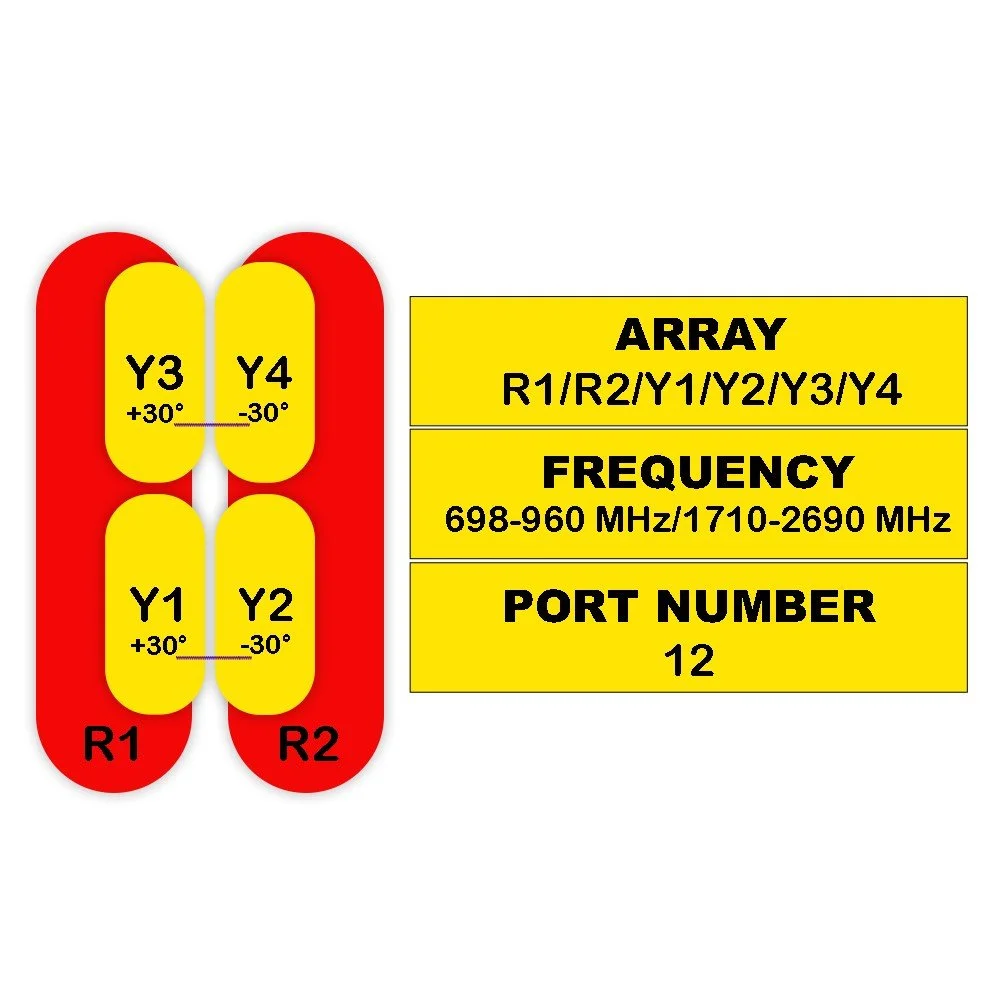
Parameter Sub Parameter Unit R1 / R2 Y1 / Y3 / Y5 / Y7 Y2 / Y4 / Y6 / Y8
698–960 MHz 1710–2690 MHz 1710–2690 MHz
698–806 790–894 880–960 1710–1880 1850–1990 1920–2170 2300–2400 2490–2690 1710–1880 1850–1990 1920–2170 2300–2400 2490–2690
Polarization ±45° ±45° ±45°
Gain At Mid Tilt dBi 13.814.114.4 13.814.114.414.714.7 13.613.914.214.514.5
Over All Tilts dBi 13.6 ± 0.513.9 ± 0.514.2 ± 0.5 13.6 ± 0.613.9 ± 0.514.2 ± 0.614.5 ± 0.614.5 ± 0.6 13.4 ± 0.613.7 ± 0.514.0 ± 0.614.3 ± 0.614.3 ± 0.6
Horizontal Beamwidth degree 69 ± 6.562 ± 4.558 ± 6.5 68 ± 7.566 ± 7.564 ± 6.564 ± 7.063 ± 7.5 68 ± 7.566 ± 7.564 ± 6.564 ± 7.063 ± 7.5
Vertical Beamwidth degree 14.9 ± 1.113.2 ± 0.912.2 ± 0.9 14.1 ± 0.612.7 ± 0.512.2 ± 0.511.2 ± 0.410.3 ± 0.6 14.1 ± 0.612.7 ± 0.512.2 ± 0.511.2 ± 0.410.3 ± 0.6
Electrical Downtilt (Continuous) degree 2–12 2–12 2–12
Isolation (Cross-Polar) dB > 25 > 25 > 25
Impedance Ohm 50 50 50
VSWR < 1.5 < 1.5 < 1.5
Return Loss dB > 14 > 14 > 14
PIM3 (2x43 dBm) dBc < -150 < -150 < -150
Lightning Protection DC Ground DC Ground DC Ground
Max Avg Input Power / Port (50°C) Watts 250 200 200
Integrated RET Specifications
Integrated RET specifications including protocol compliance, power requirements, connectors, environmental ratings, safety standards, and mechanical characteristics.
Protocols Compliant to AISG v2.0 and 3GPP
Supply Voltage Range 10–30 V DC; Compliant to AISG2.0 and 3GPP TS25.461 V6.0.0
Power Consumption
Standby: < 2 W
In Motion: < 10 W
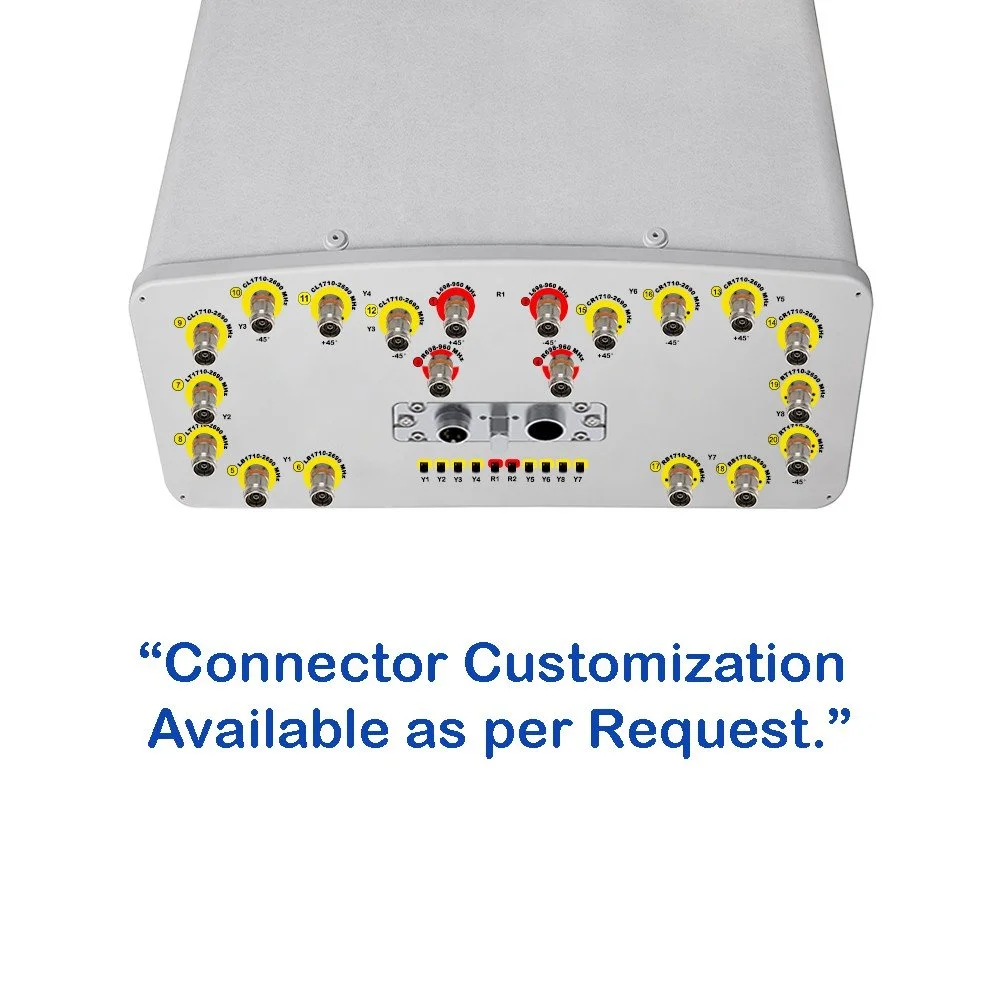
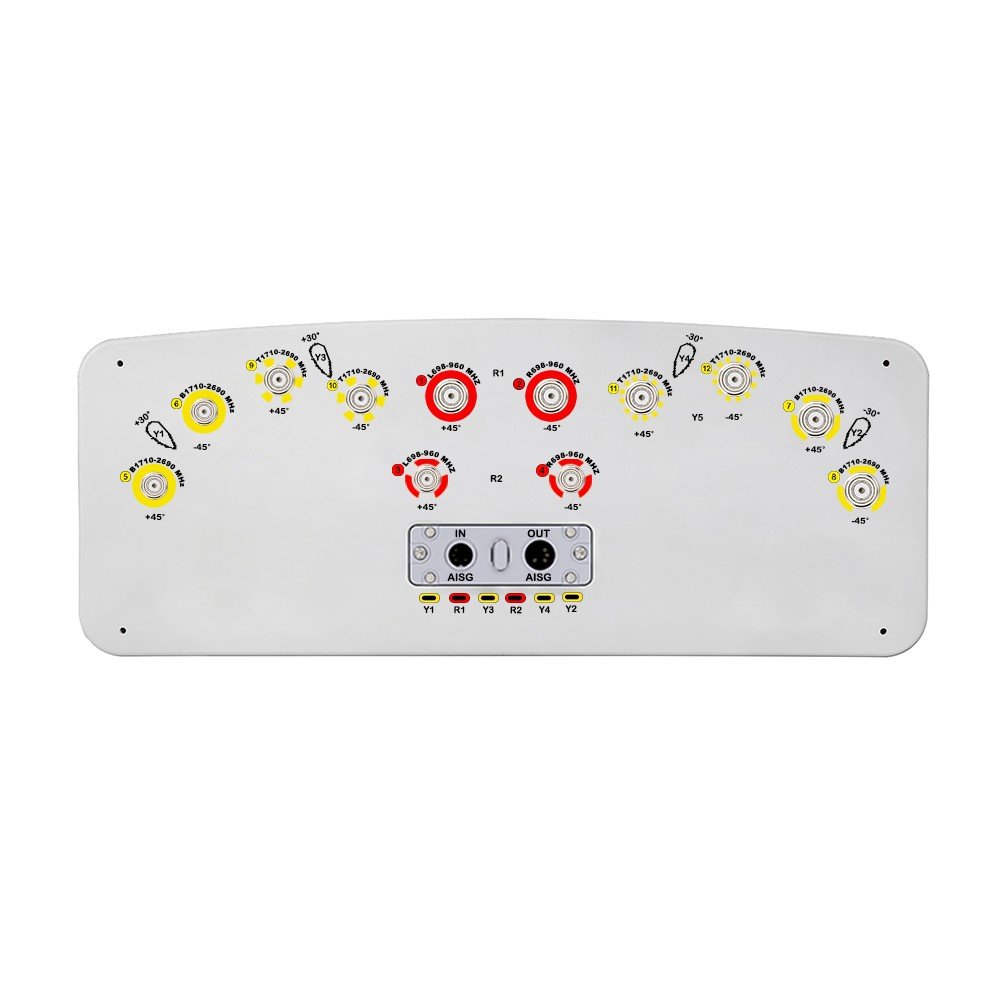
Connectors 2 × 8 Pin Circle Connector According to IEC 60130-9 and AISG
Daisy Chain In: Male; Daisy Chain Out: Female
Pin3: RS485B; Pin5: RS485A; Pin6: 10–30 V; Pin7: DC Return
Female Connector: 8 PINs; Male Connector: 4 PINs
Hardware Interfaces RS485 and Power
Adjustment Time ≤ 90 sec (typical, depending on antenna type)
Adjustment Cycles > 20,000
Torque Maximum ≥ 160 mN•m (@ 30 RPM)
Lightning Protection Rating IEC 61000-4-5 Current Pulse Profile
Line to Ground: 8/20 µs @ 8 kA ≥ ±5 Repetitions
Line to Line: 8/20 µs @ 3 kA ≥ ±5 Repetitions
Remote Control Can manage from OMC, BTS/Node B
Daisy Chaining Method Ready for daisy-chaining
Safety Standard Compliant to EN 60950 / UL 60950 / RoHS, CE
Housing Material / Color Aluminum / Grey
Operating Temperature -40° to +70° C (-40° to +158° F)
Storage Temperature -55° to +75° C (-67° to +167° F)
Humidity Up to 95%
IP Rating IP65
Weight ≤ 500 g
Mechanical Specifications
Mechanical specifications including connector details, antenna dimensions, weight, wind load, and operating temperature.
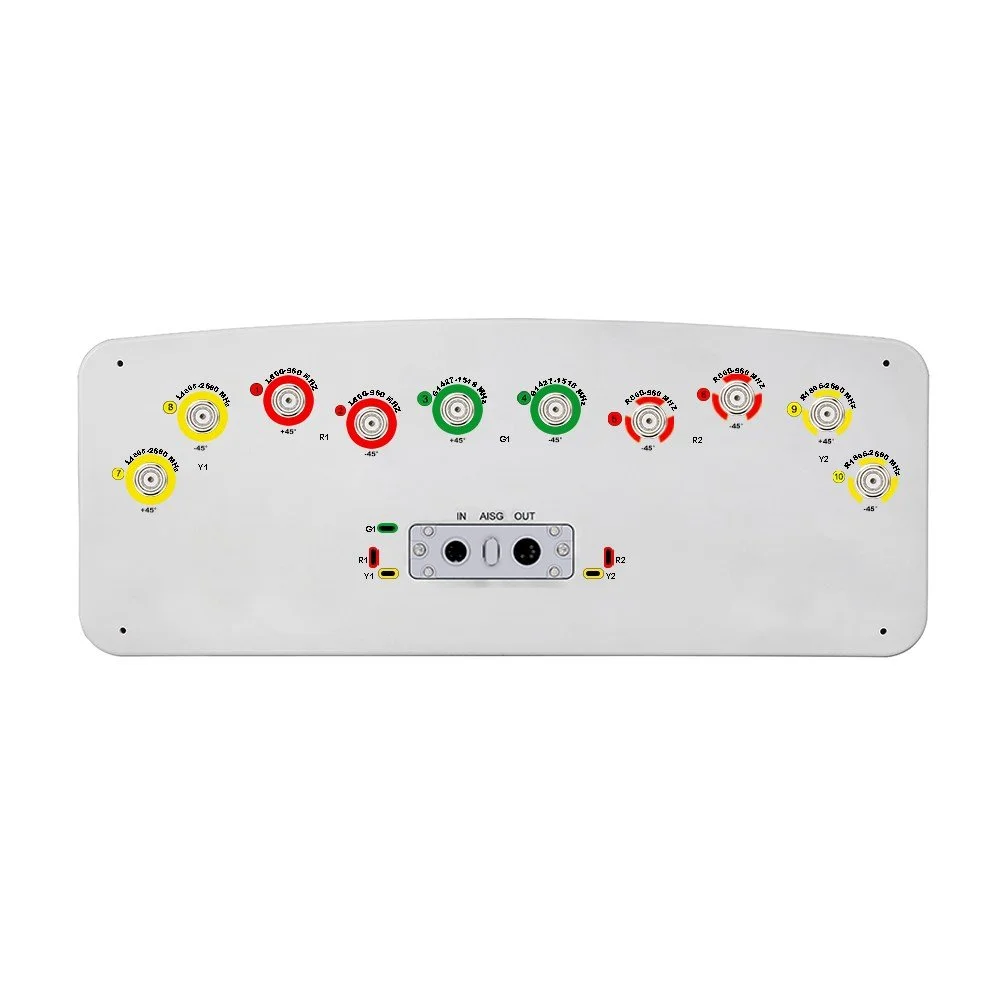
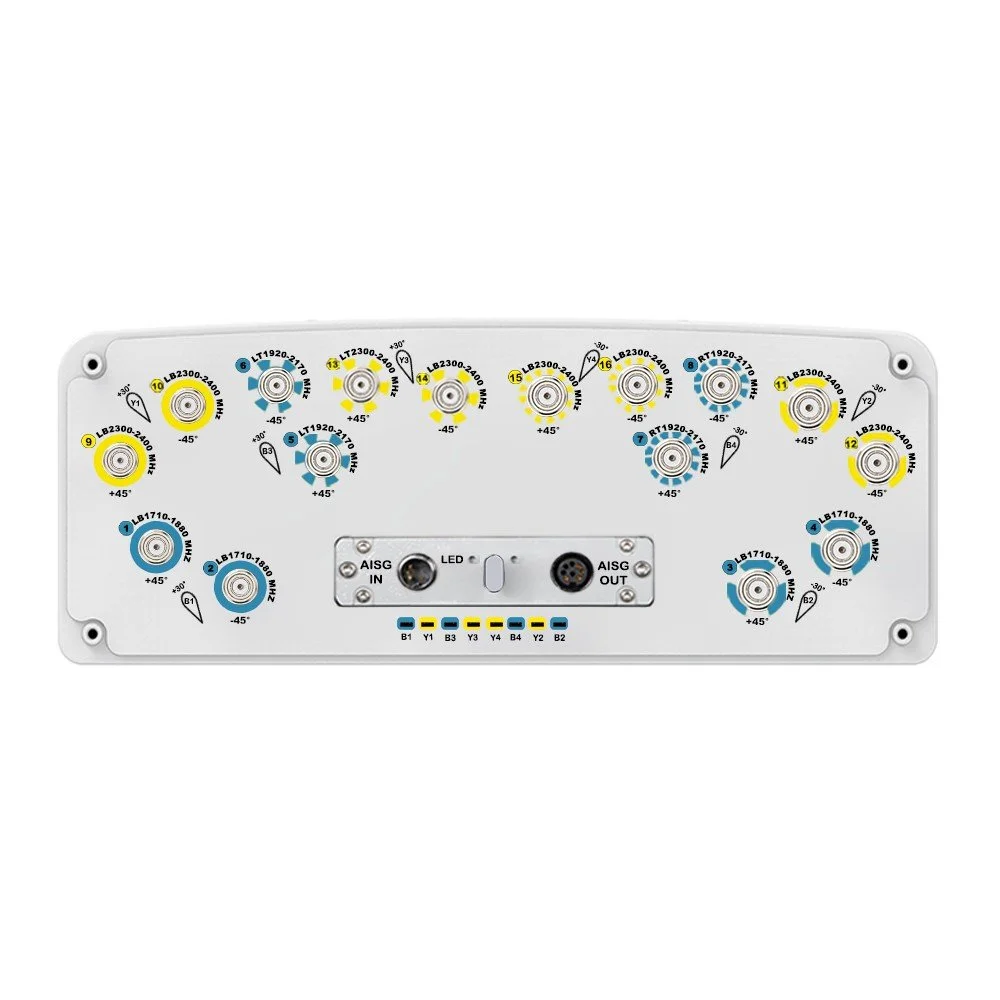
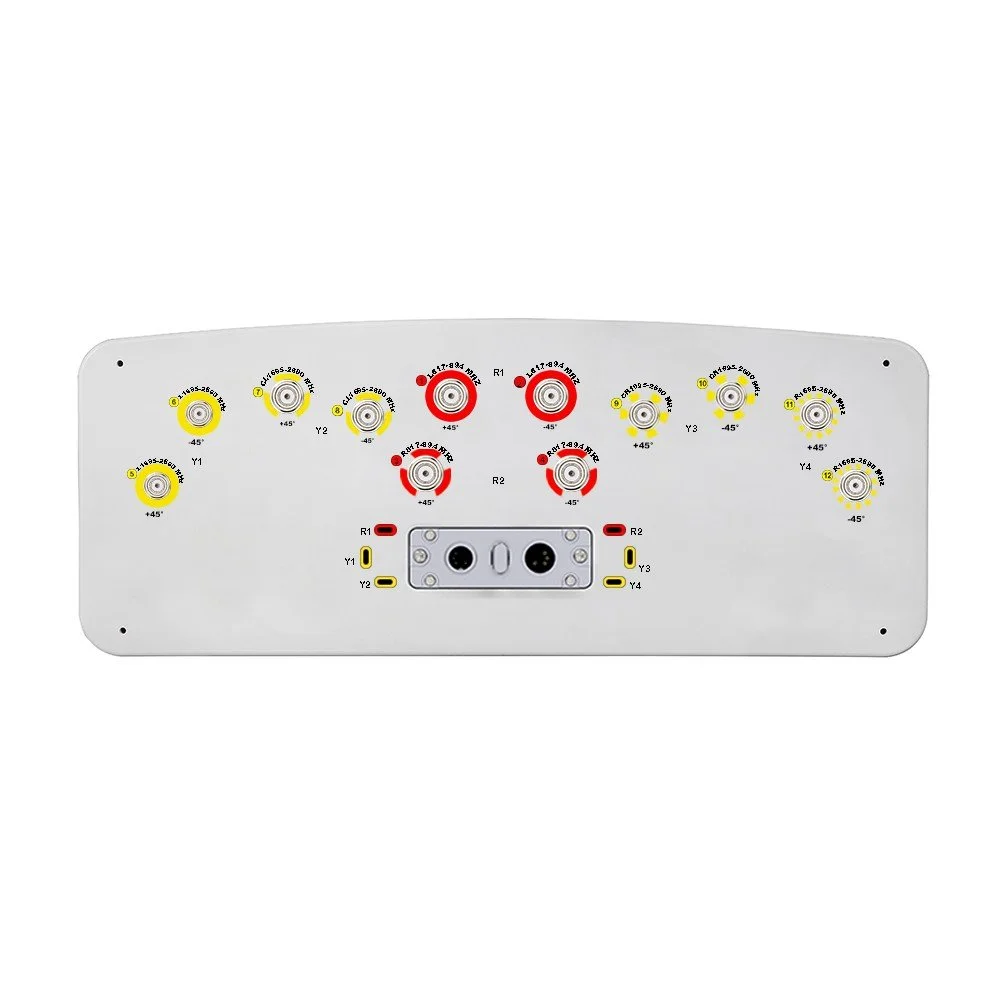
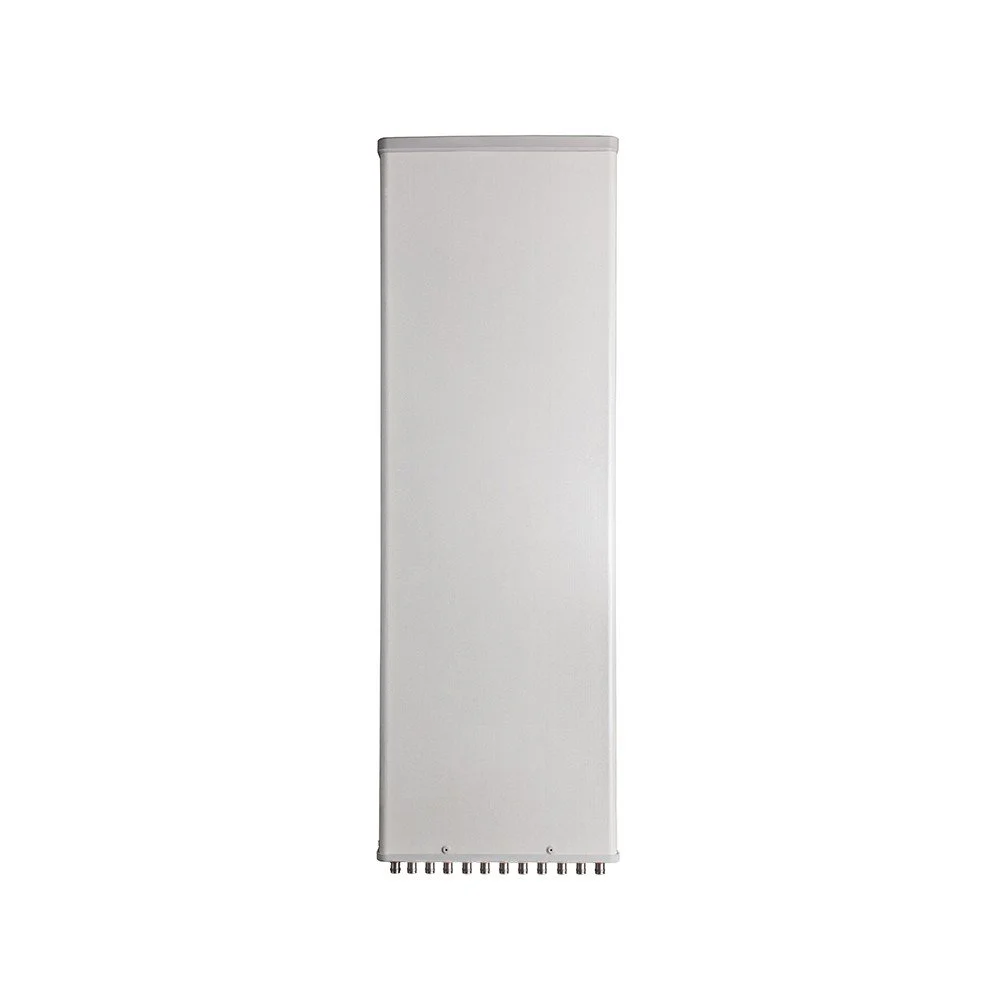
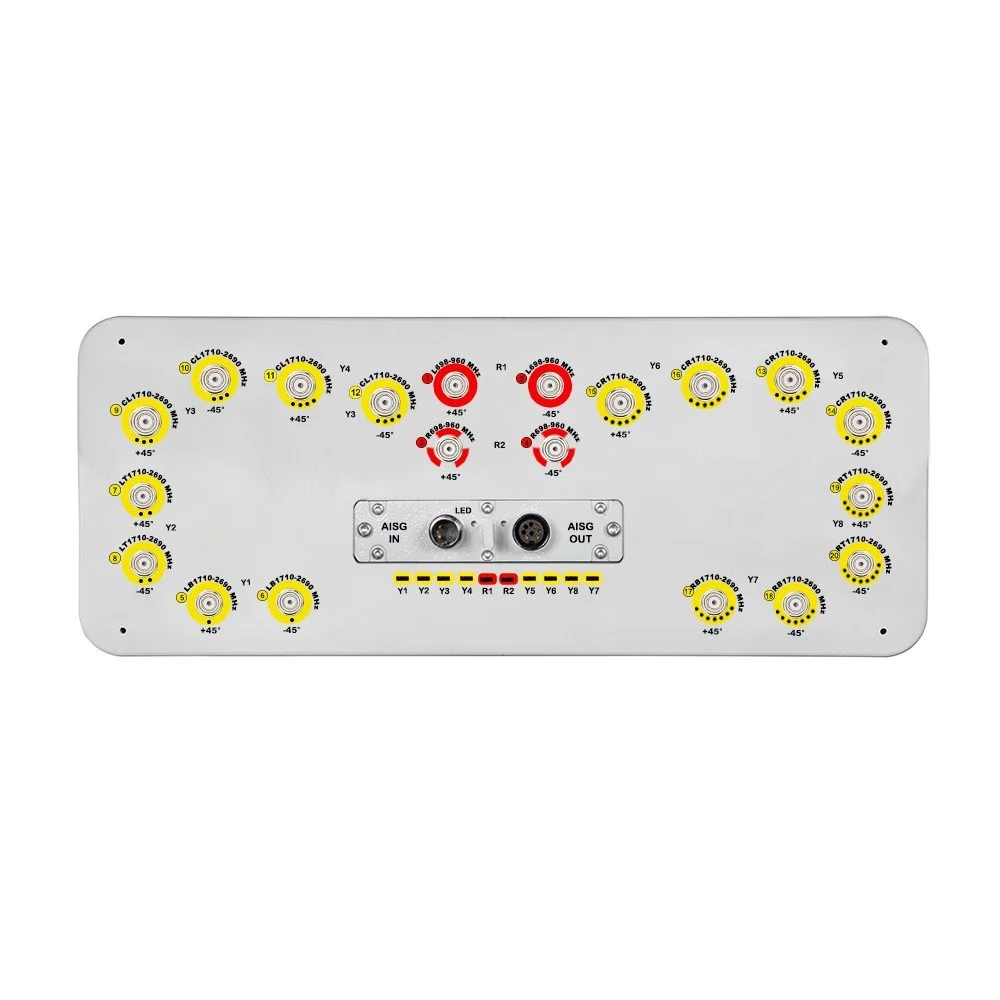
Connector Type (20x) 4.3/10 Female
Connector Position Bottom
Electrical Tilt Control Integrated RET
Radome Material Fiberglass
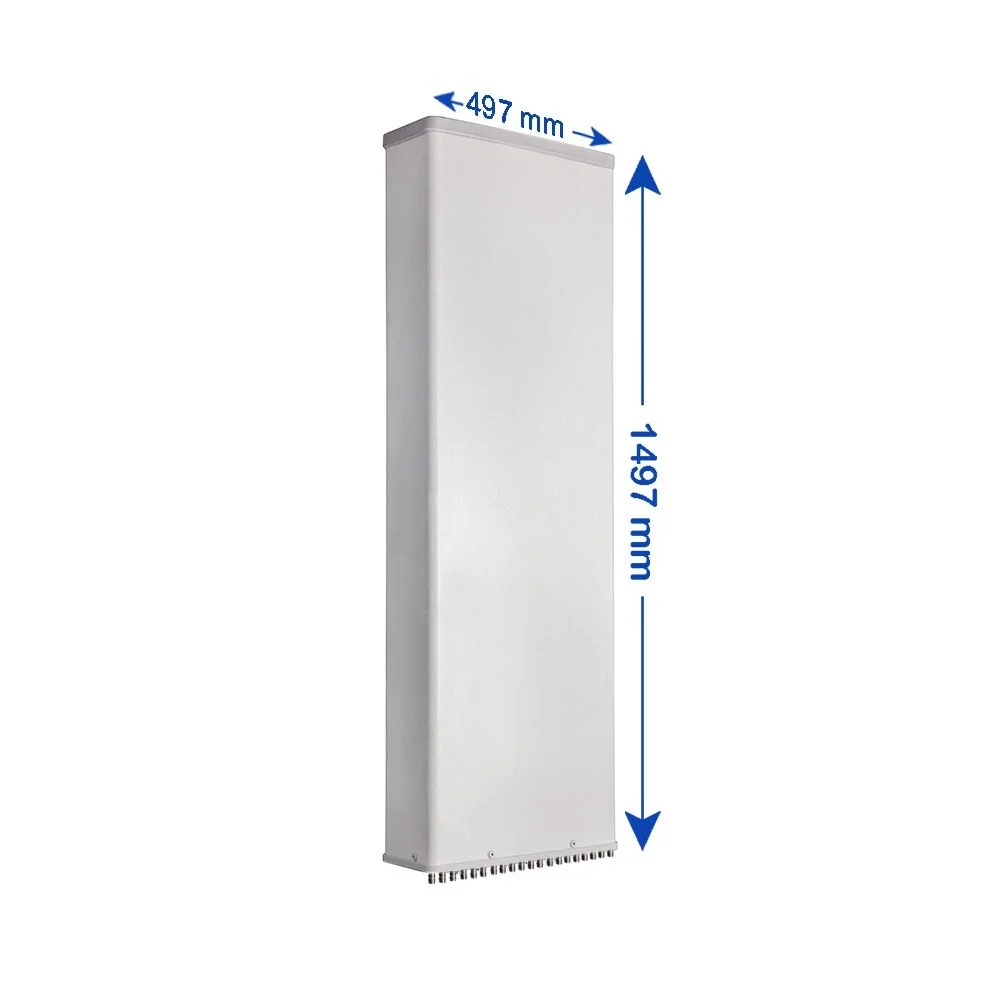
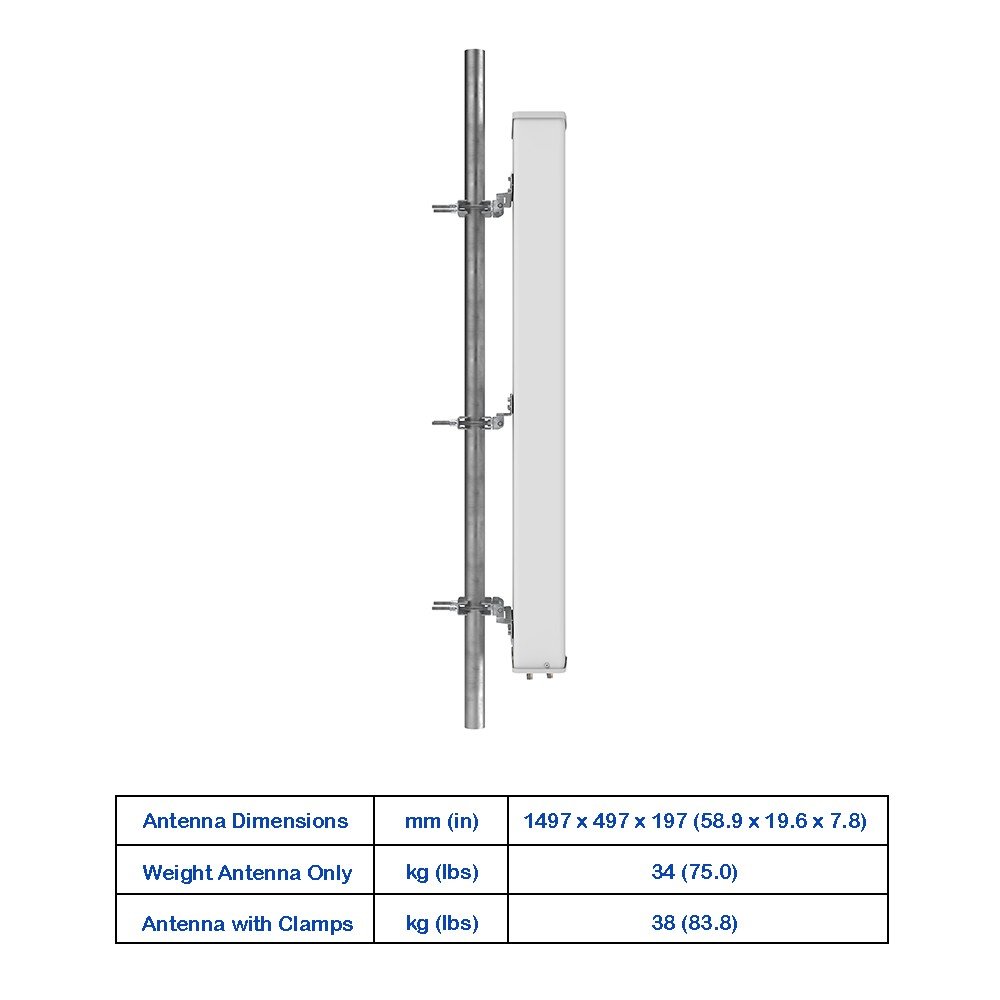
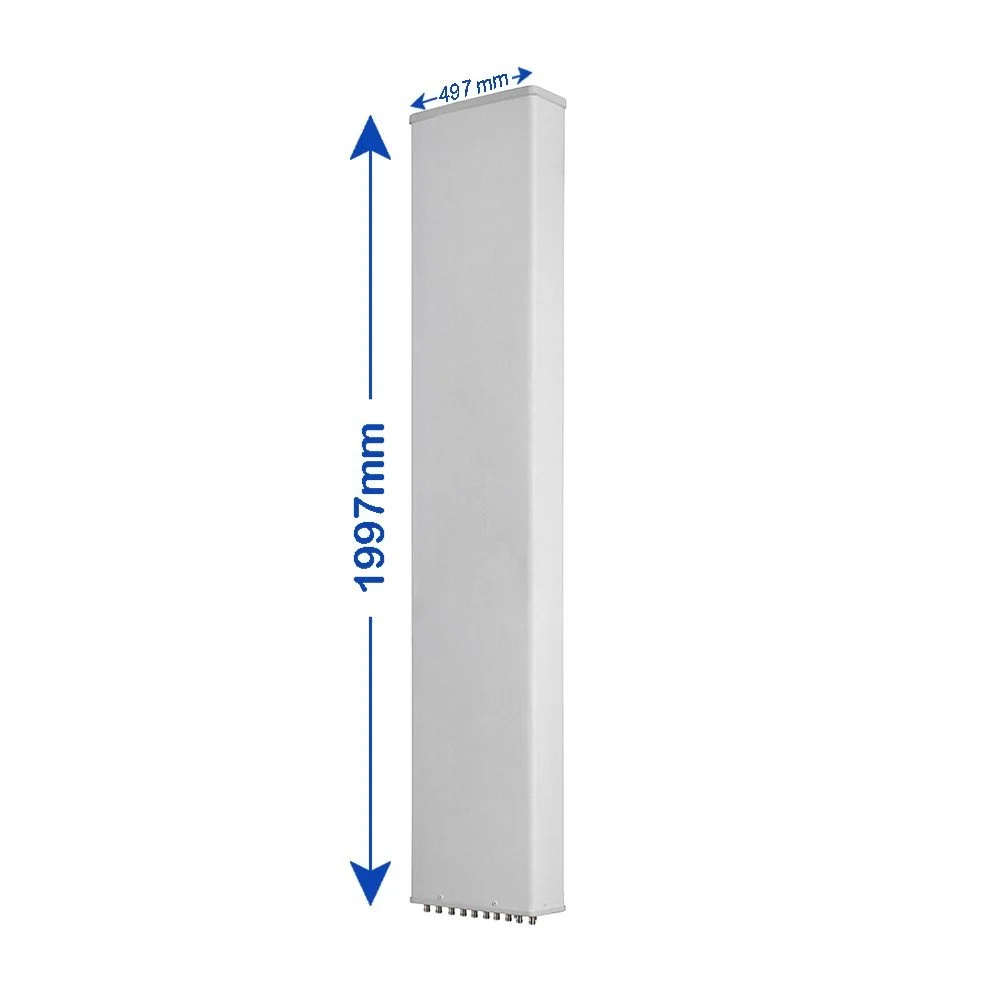
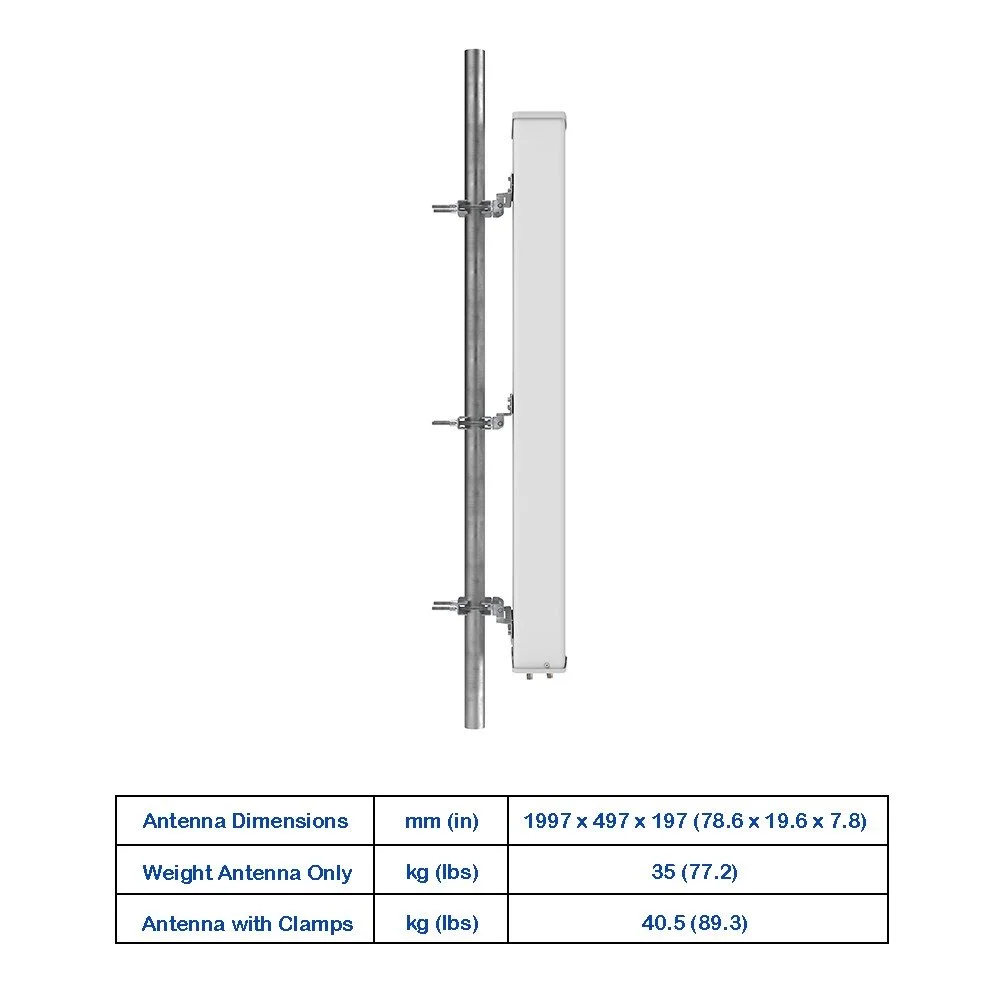
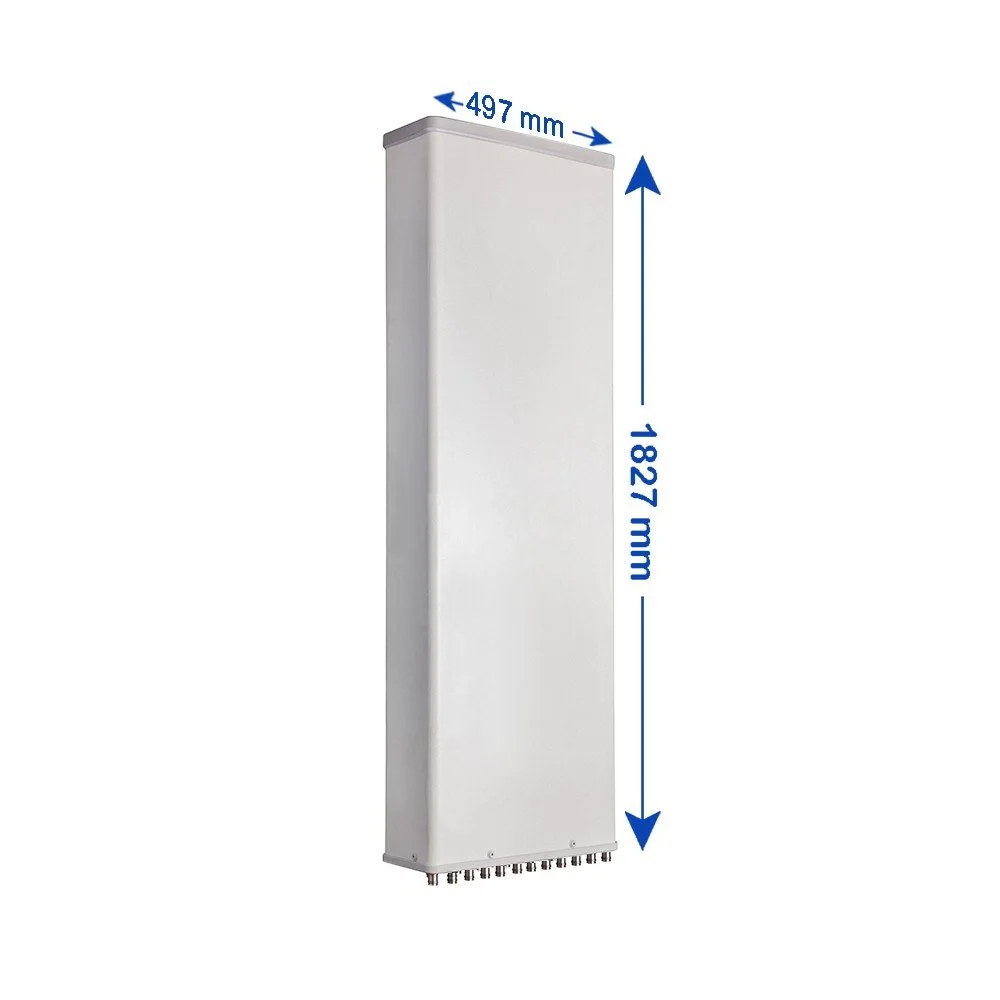
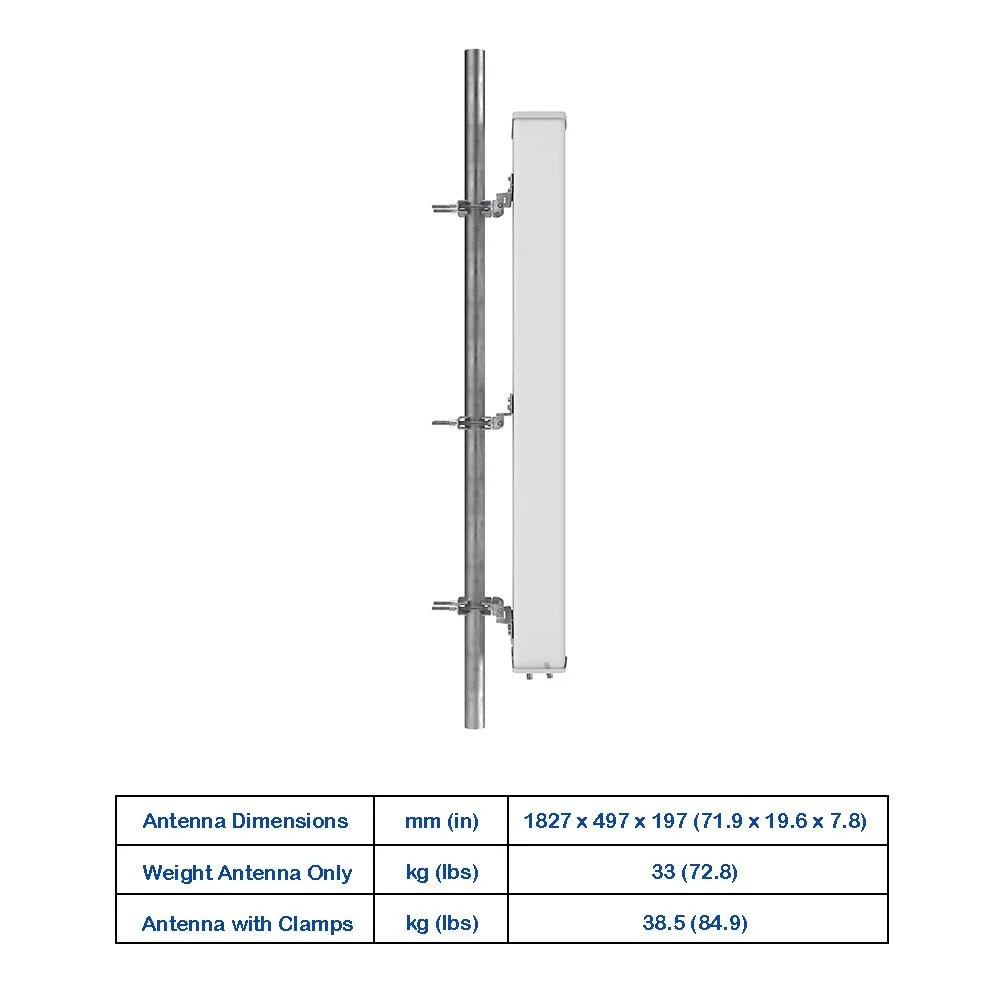
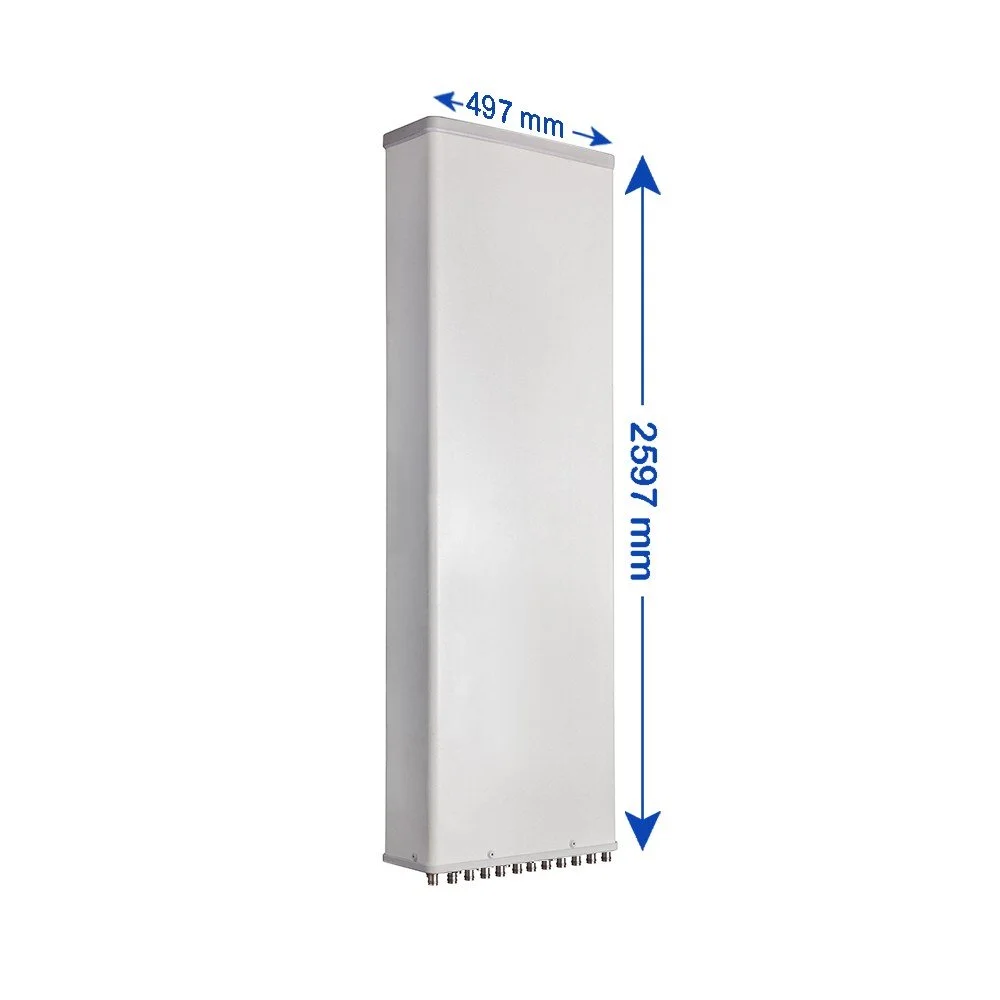
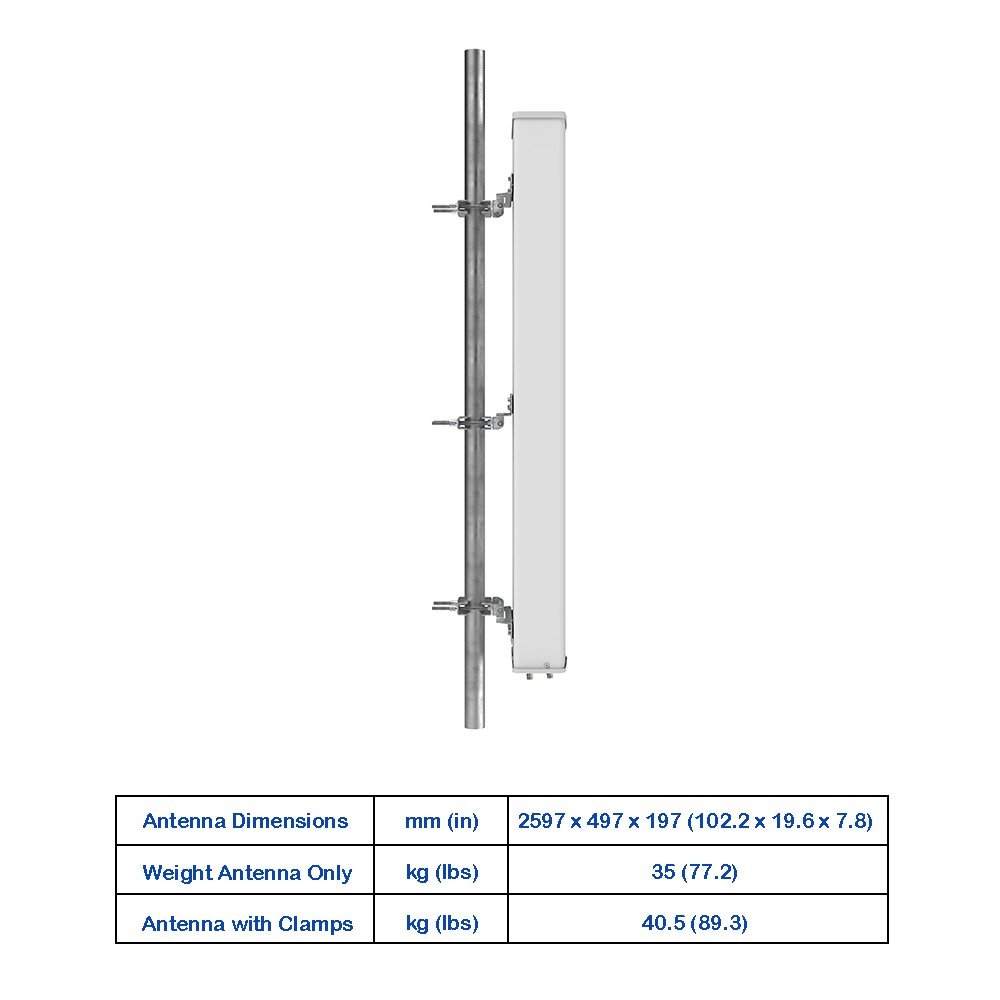
Antenna Dimensions (H × W × D) 1497 × 497 × 197 mm (58.9 × 19.6 × 7.8 in)
Antenna Weight
Antenna Only: 34 kg (75.0 lbs)
With Clamps: 38 kg (83.8 lbs)
Maximum Wind Speed 200 km/h (124.3 mph)
Wind Load at 150 km/h
Frontal: 690 N (155.1 lbf)
Rear: 770 N (173.1 lbf)
Lateral: 335 N (75.3 lbf)
Operating Temperature -40 to +60 °C (-40 to +140 °F)