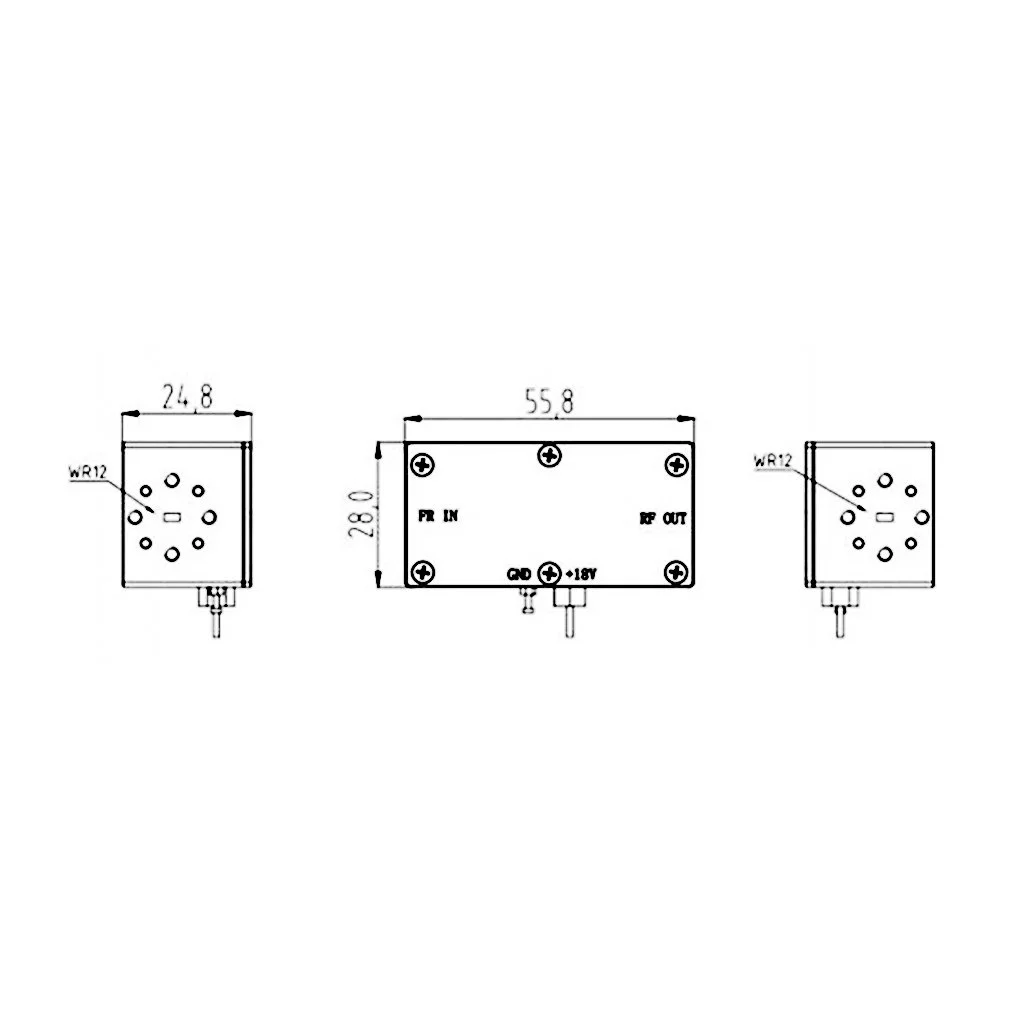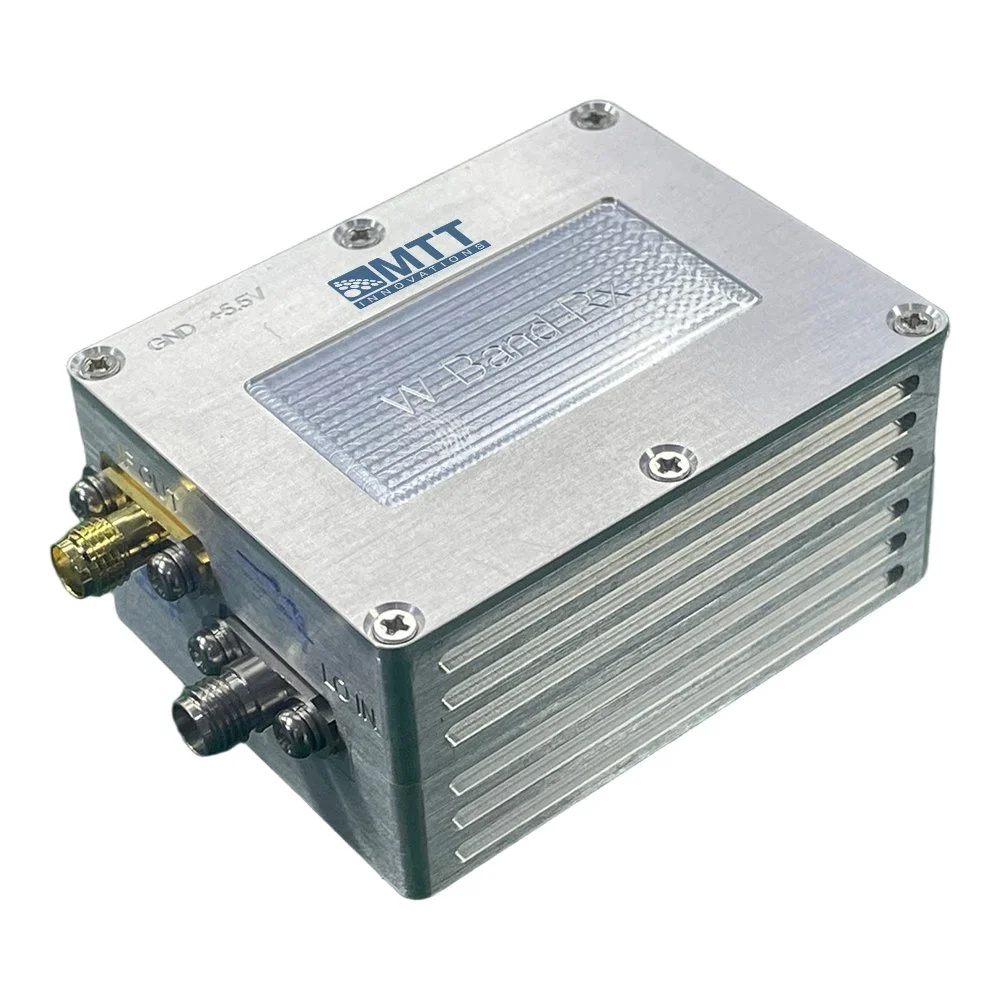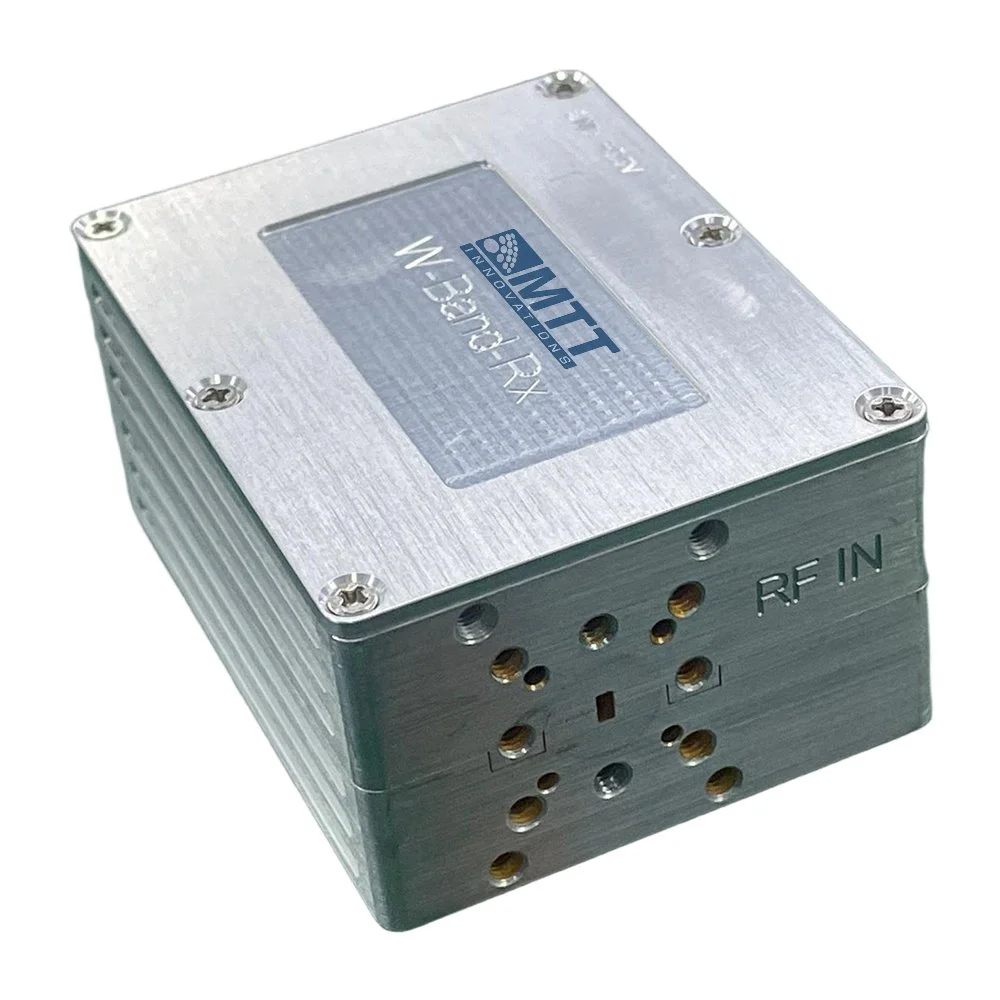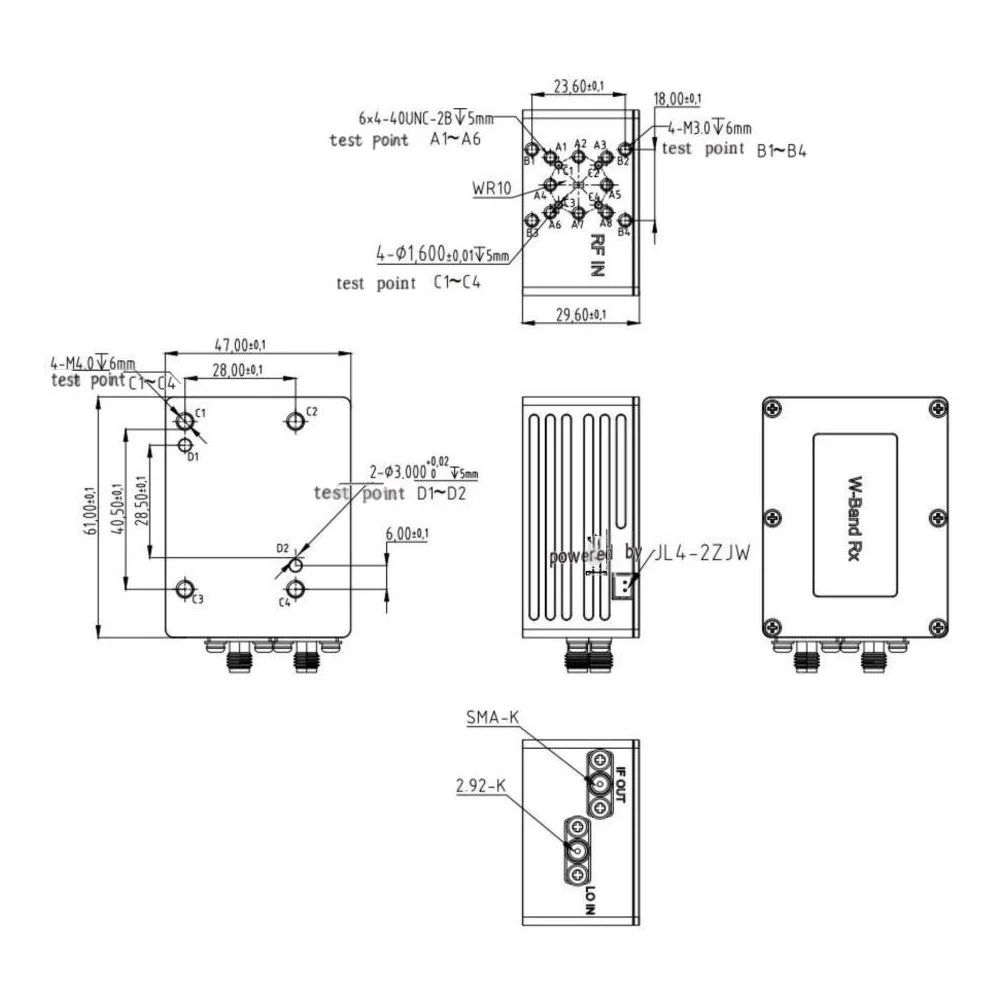
Image 1 of 3
Image 2 of 3
Image 3 of 3
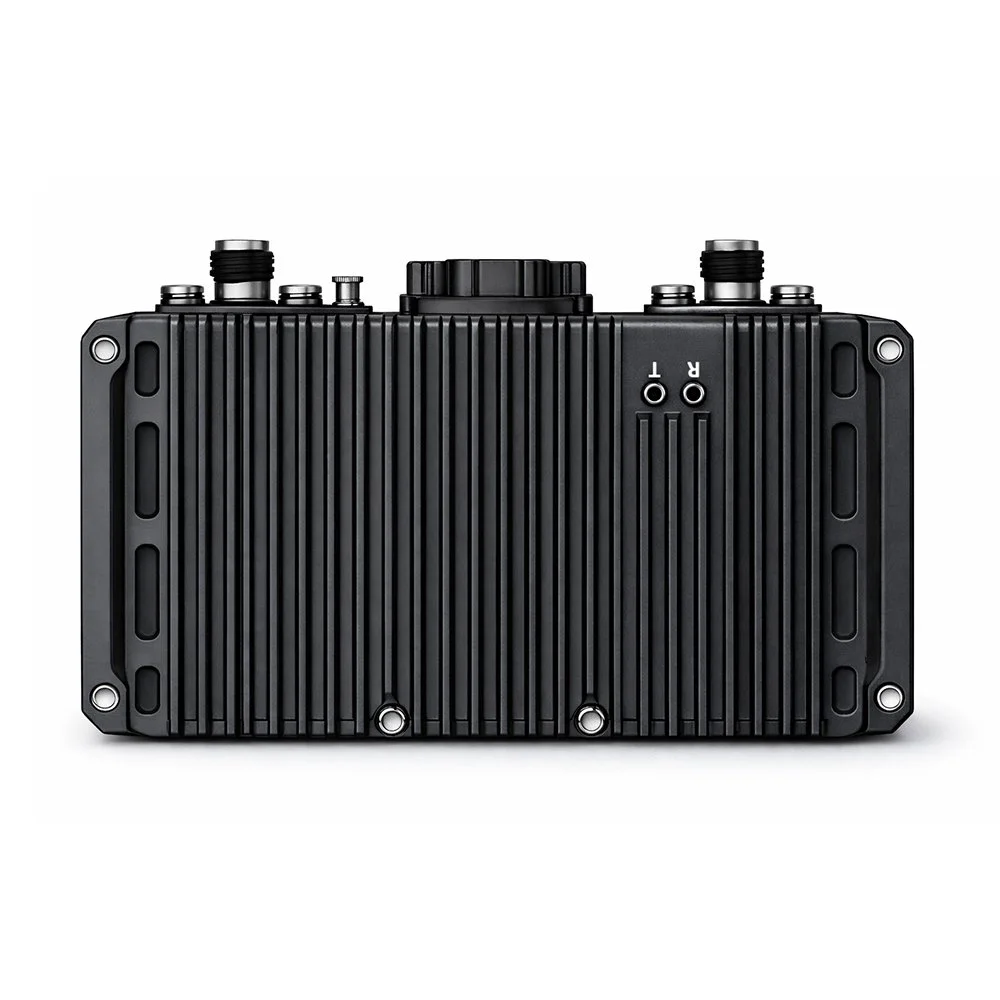
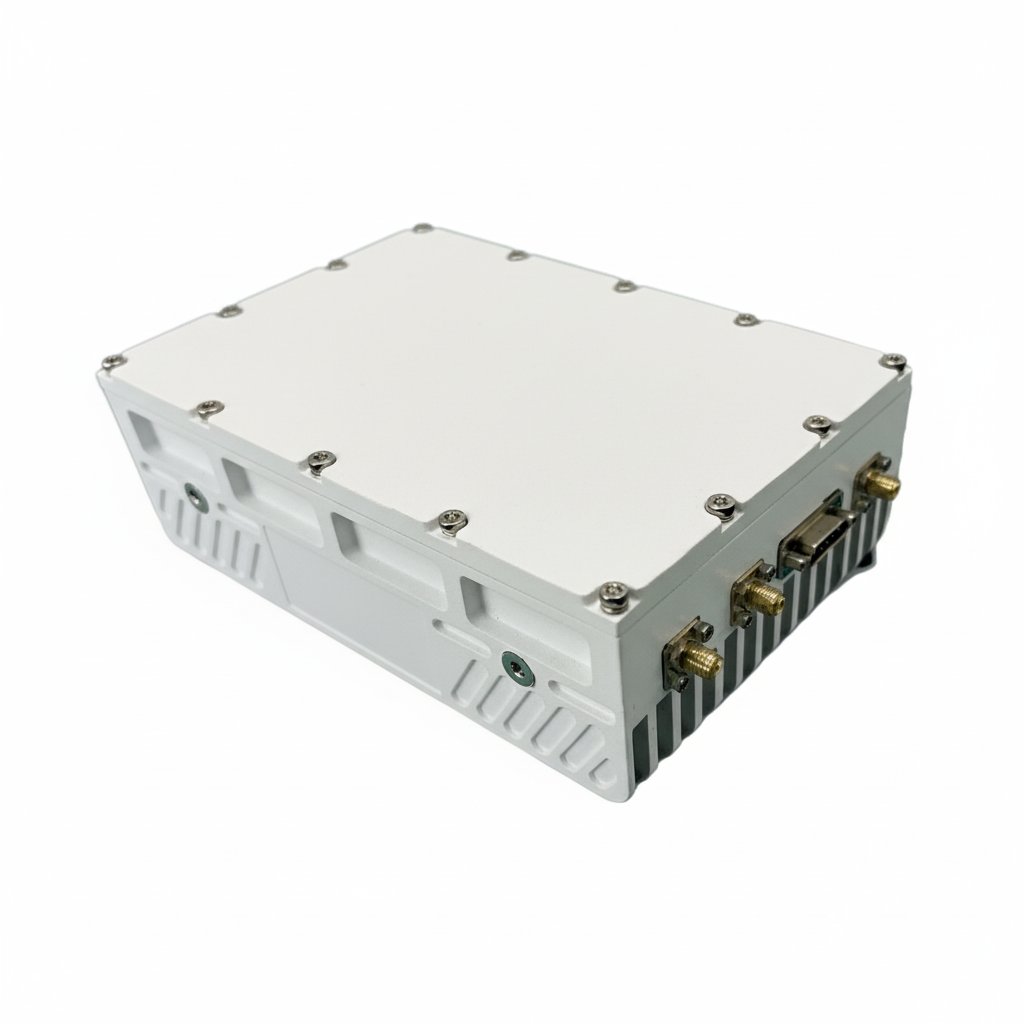
900MHz 20W Range Extender
900 MHz 20W Range Extender
Overview A compact, high-power 900 MHz range extender engineered to extend low-band wireless coverage across industrial, agricultural, and rural deployments. Delivers up to 20 watts (43 dBm) of continuous RF output with robust front-end protection and precision RF control for reliable long-range links, even in challenging propagation environments.
Key Features
Frequency: 900 MHz band (selectable sub-bands depending on regional regulations)
Output Power: Up to 20 W (43 dBm) continuous, adjustable in steps for compliance and link tuning
Modulation Support: Compatible with common narrowband and broadband protocols used in 900 MHz (FSK, GFSK, LoRa, proprietary narrowband)
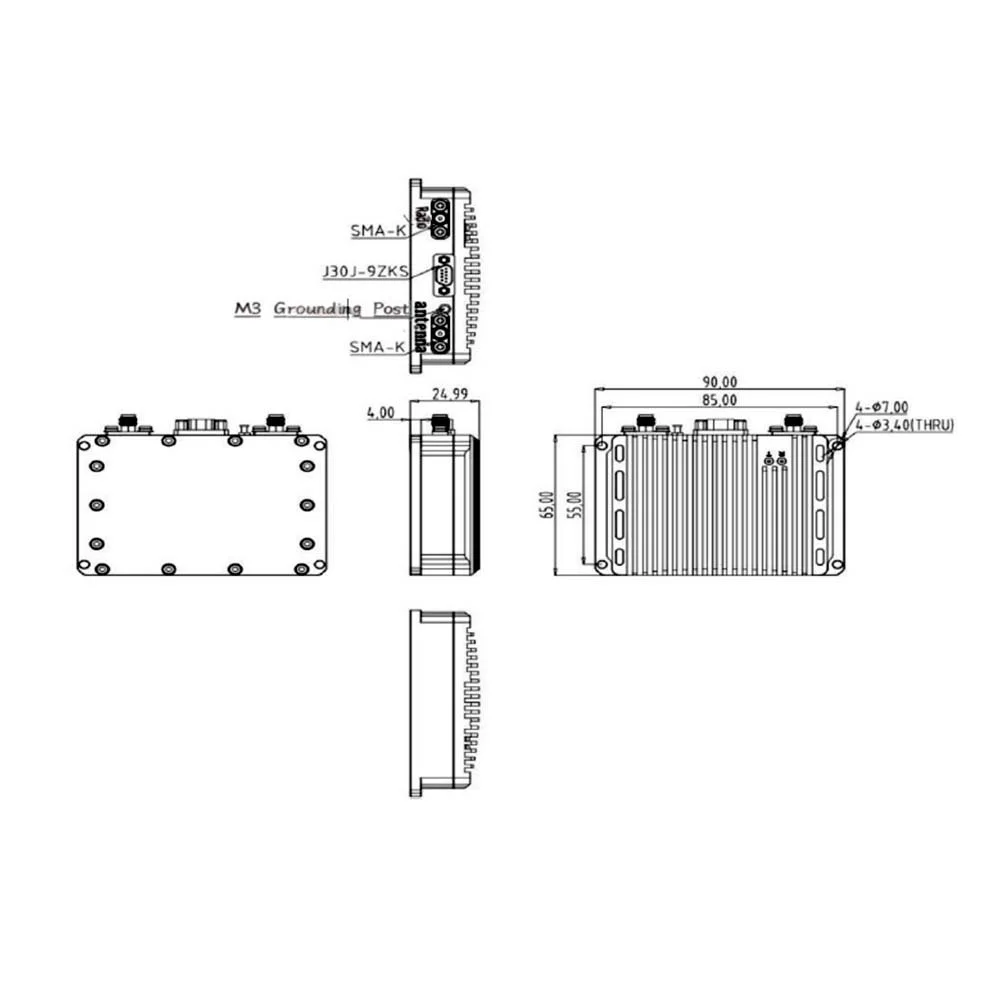
Antenna Ports: N-type connectors (Tx and Rx), optional internal duplexing or external duplexer support
Gain & Noise Figure: Low-noise receive path with high receive sensitivity; gain stages optimized for long-range performance
Front-End Protection: High IP3 linearity, built-in overdrive protection, and surge protection for rugged outdoor use
Power Supply: 12–48 V DC input options, high-efficiency switching regulator, and low-power standby mode
Thermal Management: Integrated heat sink with thermal cutoff; optional forced-air cooling for continuous 20 W operation in high ambient temperatures
Environmental: IP65-rated enclosure option for outdoor deployments; -40°C to +60°C operating range
Management & Monitoring: Local web GUI and SNMP for remote monitoring of RF power, VSWR, temperature, and alarm thresholds
Safety & Compliance: Designed to meet FCC/ETSI regional limits when configured appropriately; RF exposure and emissions control circuitry
Typical Applications
Rural broadband backhaul and point-to-point links
Long-range telemetry and SCADA networks for utilities and oil & gas
Agricultural telemetry and precision farming sensor networks
IoT/LPWAN densification where extended coverage is needed
Industrial campus and mining operations requiring extended 900 MHz reach
Performance Specifications (Representative)
Frequency Range: 860–930 MHz (region-configurable)
Max Output Power: 43 dBm (20 W) ±1 dB
Power Control Range: 0–43 dB in 1 dB steps
RX Sensitivity Improvement: Typical link margin improvement depending on antenna and site; receiver path NF ≤ 3 dB
Input/Output Impedance: 50 Ω
Return Loss: ≥ 14 dB typical
VSWR: ≤ 1.5:1 typical
Harmonics & Spurious: Meets regional spurious emission masks; harmonic suppression > 60 dBc
Switching Speed: < 10 ms for power level changes and bypass/enable transitions
MTBF: Designed for high reliability; typical MTBF > 100,000 hours (depending on operating conditions)
Deployment Considerations
Licensing: 900 MHz allocations vary by country; coordinate with local spectrum authorities to ensure legal operation and required licensing.
Antenna Selection: Use high-gain directional antennas for point-to-point long-range links; omnidirectional antennas for area coverage. Ensure antenna patterns and gain comply with regulatory EIRP limits when combined with 20 W amplifier output.
Isolation & Filtering: Where co-site operation is present, incorporate band-pass and notch filters or duplexers to prevent out-of-band interference and receiver desensitization.
Site Planning: Mount at elevated locations with clear line-of-sight where possible. Monitor VSWR and temperature alarms to prevent damage from antenna faults or extreme thermal conditions.
Safety: Maintain RF exposure safety distances and signage as required by local regulations; include interlocks where human access is possible near high-power antennas.
Accessories & Options
External duplexer for simultaneous Tx/Rx
High-power lightning arrestor and surge protector
Remote power controller and redundant PSU module
Rack-mount or pole-mount kits
Integrated GPS for timing and automatic power/operation profiles
Custom frequency and firmware options for OEM deployments
Ordering Information Specify desired frequency sub-band, connector type, enclosure rating (indoor/outdoor), power input voltage range, and any optional accessories or filters. Provide regulatory region so the unit can be configured to meet local emission and EIRP limits.
Contact your authorized distributor or MTT sales representative for datasheets, certification details, and custom integration support.
900 MHz 20W Range Extender
Overview A compact, high-power 900 MHz range extender engineered to extend low-band wireless coverage across industrial, agricultural, and rural deployments. Delivers up to 20 watts (43 dBm) of continuous RF output with robust front-end protection and precision RF control for reliable long-range links, even in challenging propagation environments.
Key Features
Frequency: 900 MHz band (selectable sub-bands depending on regional regulations)
Output Power: Up to 20 W (43 dBm) continuous, adjustable in steps for compliance and link tuning
Modulation Support: Compatible with common narrowband and broadband protocols used in 900 MHz (FSK, GFSK, LoRa, proprietary narrowband)
Antenna Ports: N-type connectors (Tx and Rx), optional internal duplexing or external duplexer support
Gain & Noise Figure: Low-noise receive path with high receive sensitivity; gain stages optimized for long-range performance
Front-End Protection: High IP3 linearity, built-in overdrive protection, and surge protection for rugged outdoor use
Power Supply: 12–48 V DC input options, high-efficiency switching regulator, and low-power standby mode
Thermal Management: Integrated heat sink with thermal cutoff; optional forced-air cooling for continuous 20 W operation in high ambient temperatures
Environmental: IP65-rated enclosure option for outdoor deployments; -40°C to +60°C operating range
Management & Monitoring: Local web GUI and SNMP for remote monitoring of RF power, VSWR, temperature, and alarm thresholds
Safety & Compliance: Designed to meet FCC/ETSI regional limits when configured appropriately; RF exposure and emissions control circuitry
Typical Applications
Rural broadband backhaul and point-to-point links
Long-range telemetry and SCADA networks for utilities and oil & gas
Agricultural telemetry and precision farming sensor networks
IoT/LPWAN densification where extended coverage is needed
Industrial campus and mining operations requiring extended 900 MHz reach
Performance Specifications (Representative)
Frequency Range: 860–930 MHz (region-configurable)
Max Output Power: 43 dBm (20 W) ±1 dB
Power Control Range: 0–43 dB in 1 dB steps
RX Sensitivity Improvement: Typical link margin improvement depending on antenna and site; receiver path NF ≤ 3 dB
Input/Output Impedance: 50 Ω
Return Loss: ≥ 14 dB typical
VSWR: ≤ 1.5:1 typical
Harmonics & Spurious: Meets regional spurious emission masks; harmonic suppression > 60 dBc
Switching Speed: < 10 ms for power level changes and bypass/enable transitions
MTBF: Designed for high reliability; typical MTBF > 100,000 hours (depending on operating conditions)
Deployment Considerations
Licensing: 900 MHz allocations vary by country; coordinate with local spectrum authorities to ensure legal operation and required licensing.
Antenna Selection: Use high-gain directional antennas for point-to-point long-range links; omnidirectional antennas for area coverage. Ensure antenna patterns and gain comply with regulatory EIRP limits when combined with 20 W amplifier output.
Isolation & Filtering: Where co-site operation is present, incorporate band-pass and notch filters or duplexers to prevent out-of-band interference and receiver desensitization.
Site Planning: Mount at elevated locations with clear line-of-sight where possible. Monitor VSWR and temperature alarms to prevent damage from antenna faults or extreme thermal conditions.
Safety: Maintain RF exposure safety distances and signage as required by local regulations; include interlocks where human access is possible near high-power antennas.
Accessories & Options
External duplexer for simultaneous Tx/Rx
High-power lightning arrestor and surge protector
Remote power controller and redundant PSU module
Rack-mount or pole-mount kits
Integrated GPS for timing and automatic power/operation profiles
Custom frequency and firmware options for OEM deployments
Ordering Information Specify desired frequency sub-band, connector type, enclosure rating (indoor/outdoor), power input voltage range, and any optional accessories or filters. Provide regulatory region so the unit can be configured to meet local emission and EIRP limits.
Contact your authorized distributor or MTT sales representative for datasheets, certification details, and custom integration support.
| Pin | Description | Remarks |
|---|---|---|
| 1 | GND | Power Ground |
| 2 | GTR_IN | Transmit/Receive Switching |
| 3 | GND | Power Ground |
| 4 | +28V | Power Supply |
| 5 | +28V | Power Supply |
| 6 | GTR_IN | Transmit/Receive Switching |
| 7 | GND | Power Ground |
| 8 | GND | Power Ground |
| 9 | +28V | Power Supply |